Theme Sustainability
Behavioural Design for sustainable behaviour

80% say sustainability matters to them. Only 5% actually buy sustainable.

The difference is context, not motivation. The sustainable option is often more expensive, harder to find or presented less attractively. You design sustainable behaviour by changing the choice environment: the defaults, the social norms and the place of the sustainable option. That's what you learn with Behavioural Design.

View trainings → Individually or with your team
10,000+
trained
9.3/10
rating
EQAC
accredited
€690
from, ex VAT
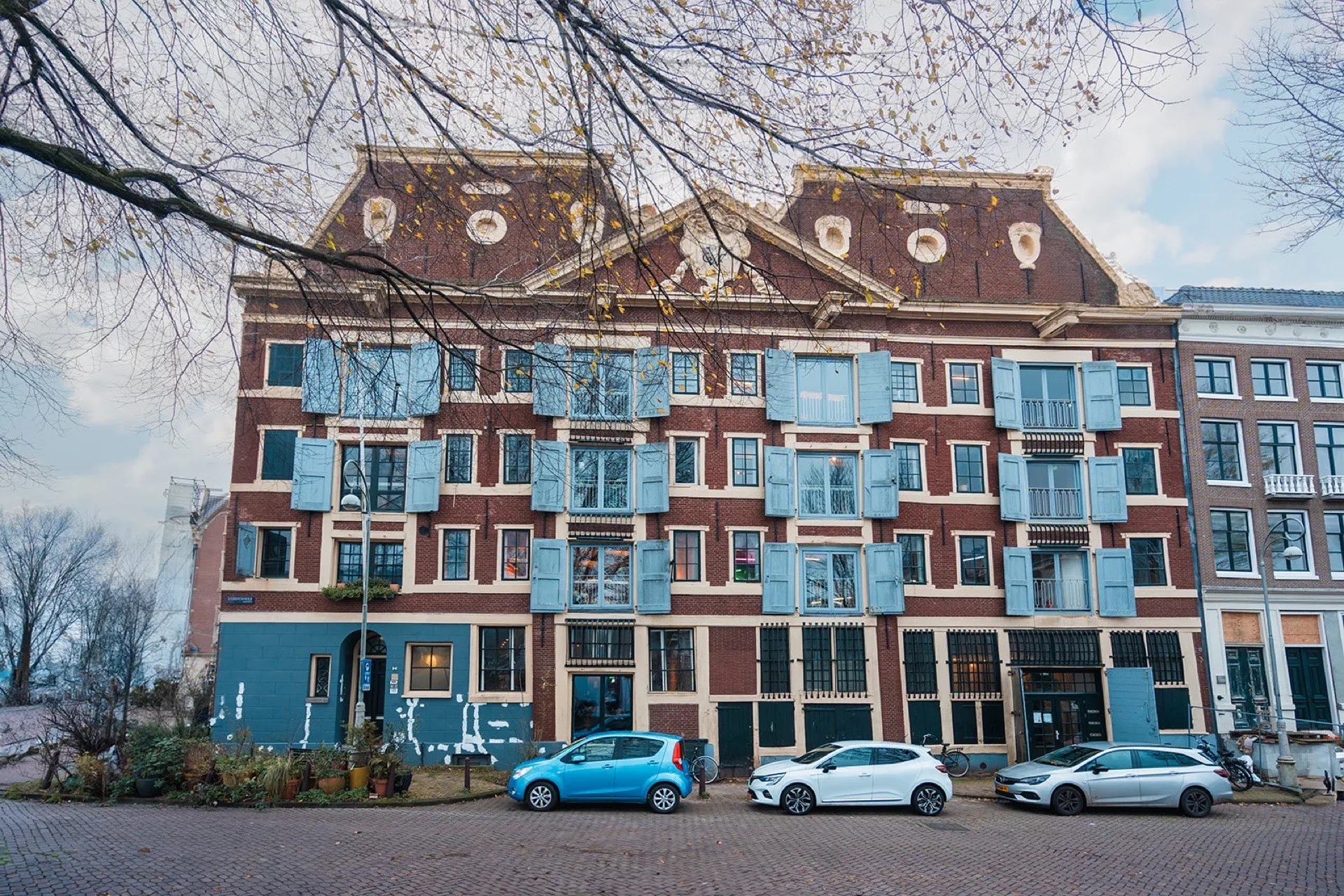
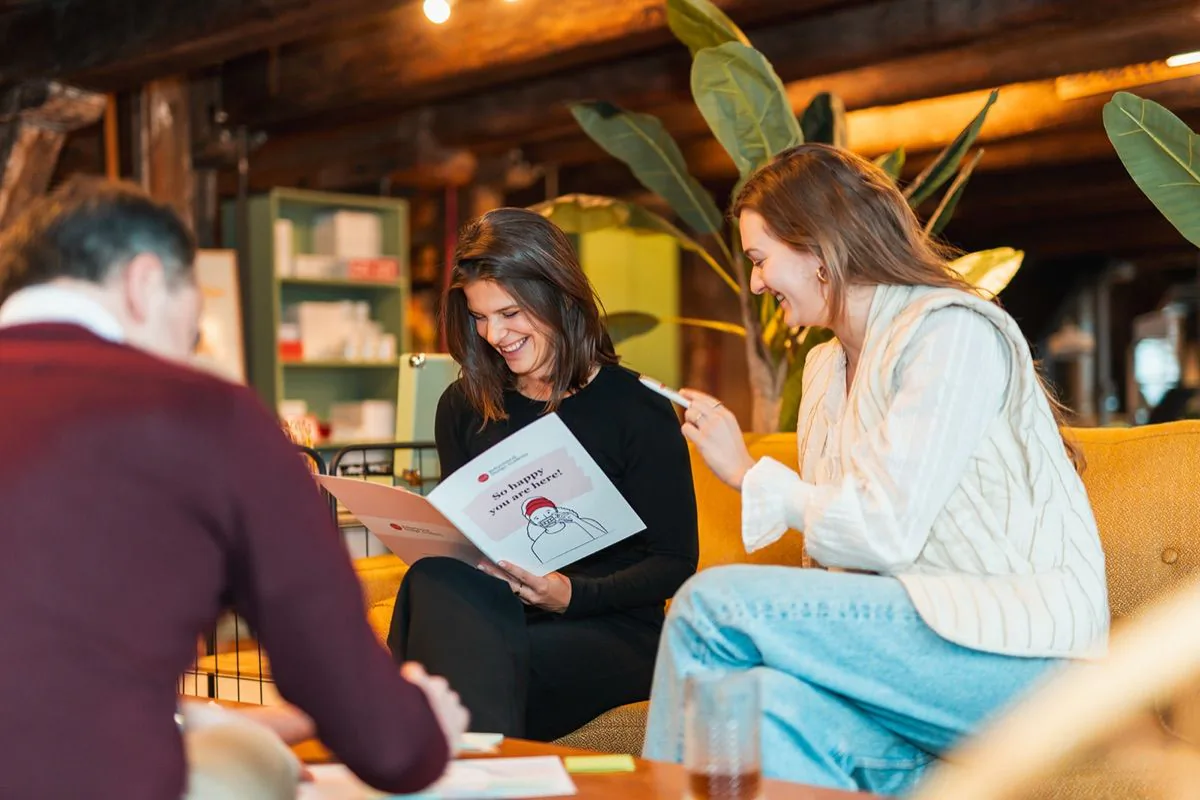
Team working on designing sustainable behaviour during the Behavioural Design training at SUE Amsterdam
Familiar in sustainability programmes

"We launched a beautiful sustainability campaign. The behaviour doesn't change."
10,000+ professionals trained, including people from

ING Heineken KPN ANWB Randstad Achmea Eneco Centraal Beheer ING Heineken KPN ANWB Randstad Achmea Eneco Centraal Beheer
The forces behind the intention-action gap

Seven forces that hold back sustainable behaviour

They are documented by Kahneman, Cialdini and Thaler. They apply to your customers, your employees and your own moments of choice. And they are all designable. As long as you leave them untouched, every sustainability campaign evaporates after the launch.

01 - The awareness illusion

Awareness doesn't change behaviour on the floor

Everyone knows plastic is bad for the environment. Yet you reach for the plastic bag. Knowledge is necessary but not sufficient: between knowing and doing sits a gap no information campaign closes.

02 - The intention-action gap

You say one thing and do another

Not out of hypocrisy, but out of humanity. At the moment of choice, ease beats conviction. The sustainable option is too expensive, too far away, or too hard to find.

03 - Green fatigue

More urgency reinforces the problem

After years of climate targets, CO2 labels and apocalyptic imagery, desensitisation sets in. The brain protects itself against overload and shuts down.

04 - Defaults

The default decides what most people do

Whoever designs the standard option effectively designs the behaviour of 80% of people. If the non-sustainable option is the default, customers have to actively opt for sustainable.

05 - Reactance

Obligations trigger resistance

Bans and obligations backfire the moment they restrict choice freedom. The harder you push, the more resistance you get. Effective sustainability policy works with human nature, not against it.

06 - Proximity

Hidden is the same as absent

If the sustainable option is hard to find or placed far away, people take the shortest route. The distance to the choice often matters more than the quality of the argument.

07 - System 1

96% of behaviour is automatic

Most sustainability campaigns address the conscious, rational mind. But behaviour sits on autopilot. Rational arguments never reach it.

Read the full article: why informing people doesn't work → What is nudging? Explanation and examples →
Behavioural Design is the missing layer.

Sustainability is a choice environment. And a choice environment is designable.

Designing sustainable behaviour is the process by which an organisation shapes the choice environment so that the sustainable option becomes the easy, obvious choice. Not by convincing people with facts and campaigns, but by designing the defaults, the social norms and the place of the sustainable option so that sustainable behaviour becomes the path of least resistance.

1
Diagnose the behaviour, not the motivation. You map which forces hold the current behaviour in place: which defaults, barriers and norms make the non-sustainable option logical.
2
Design the choice environment. With the SUE Influence Framework you design interventions that make the sustainable choice easier than the old one.
3
Prove the effect. You test the interventions and measure whether behaviour actually shifts, so sustainable behaviour is not an assumption but a demonstrable result.
Read more about the Behavioural Design Method →
What professionals say after the training

From ABN AMRO to the City of Antwerp: they look at choice environments differently afterwards.

The sustainability and policy professionals among our 10,000+ alumni have one thing in common.

At the Academy you learn a lot about behavioural change and how to apply it in a short period of time. The training flew by and was very well put together. Amazing how complicated material comes to life in a fun and interactive course. I am definitely going to apply it in my work.

Alina Chakh
Alina Chakh
Change & Transformation Consultant - ABN AMRO
★★★★★

The programme with SUE taught me the importance of thinking about the human behind the client, because a client will not act from expected rational thinking patterns. As an organisation it is important that we start thinking outside-in at the right moments to create that much needed added value.

Koen Lauwers
Koen Lauwers
Team CDO - City of Antwerp
★★★★★

I am so happy with these results. The order of first doing a Behavioural Design Sprint, then testing and running an effect measurement worked very well. We are now in a position to roll this out with confidence. The numbers and effects help us to truly convince people.

Majka van Doorn
Majka van Doorn
Coordinator Behavioural unit - Ministry of Justice and Safety
★★★★★
The best first step

Learn the principles that really change sustainable behaviour.

Take the Fundamentals Course and learn the method to design the choice environment. In two days live, or 33 online lessons at your own pace.

Behavioural Design Fundamentals training on sustainable behaviour
Most chosen
9.3/10
rating
EQAC
accredited
Max 16
participants
Behavioural Design Academy

Behavioural Design Fundamentals

You learn the full Influence Framework, the JTBD method and all the core tools of Behavioural Design. You work on your own sustainability case and go home with a worked-out intervention plan you apply the next day.

Two ways to follow it
Live in Amsterdam, 2 intensive days, max 16 participants Online self-paced, 33 lessons at your own pace
View the Fundamentals → See start dates

Want to tackle it with your whole team or organisation? See the in-company formats ↓

Sustainable behaviour for teams and organisations

Tackle sustainable behaviour with your whole team

Three in-company formats, depending on how deep you want to go and how long you want to build. Always applied to your own sustainability challenge.

Behavioural Design Masterclass sustainable behaviour
1 day

Behavioural Design Masterclass

An intensive day in which your team learns the method and applies it straight away to your own sustainability challenge. From behavioural diagnosis to the first intervention designs.

  • In-company, at your location or in Amsterdam
  • Max 16 participants
  • €7,990 ex VAT
More about the Masterclass →
Behavioural Design Sprint team training sustainable behaviour
Most popular
2 training days + interviews

Behavioural Design Sprint

Two intensive training days with interviews and prototype tests between the sessions. Your team learns the method while applying it to a real sustainability challenge from your organisation.

  • Interviews between the sessions included
  • Up to 8 or up to 20 participants
  • €11,900 (up to 8) or €17,900 (up to 20) ex VAT
More about the Sprint →
Behavioural Design Learning Journey sustainable behaviour
A to Z programme

Learning Journey

An organisation-wide programme from A to Z, facilitated by a senior SUE facilitator. For organisations that want to embed sustainable behaviour structurally in the way they work.

  • Interviews, prototypes and effect measurement included
  • Senior SUE facilitator throughout the programme
  • Tailored, price on request
View Learning Journeys →
Why the SUE Behavioural Design Method

Behavioural science made applicable for people who want to design sustainable behaviour.

Most behavioural science knowledge sits locked in academic papers. SUE built the Influence Framework, a practical step-by-step method that any sustainability manager, policy maker or communication professional can apply without a scientific background.

SUE Influence Framework: the forces that shape sustainable behaviour
No academic theory, you work on your own sustainability challenge during the training and go home with a worked-out plan
Built on Kahneman, Cialdini and Thaler, scientifically grounded but accessible for practitioners
A method of our own, the Influence Framework can't be learned anywhere else, described in the #1 management bestseller
16 years of experience, from ING and KPN to central government: the method is proven on the biggest behaviour and sustainability challenges

SUE Behavioural Design was a real experience that led me to look differently at behaviour. They take you along a very pragmatic way under challenging themes. I think the Influence Framework will solve many problems in the world. It is more than just a method, it is a fundamentally different way of thinking.

Eline Grouwels
Eline Grouwels
Founding partner - Umital
★★★★★
Springest
9.3/10
★★★★★
Google Reviews
4.8/5
★★★★★
accredited
EQAC accredited
Trusted by
ING Heineken KPN Randstad Achmea
In-depth articles

Sustainable behaviour explained

In-depth articles on the behavioural science behind sustainability, written from SUE's practice.

See all articles on behavioural economics →
Frequently asked questions

One more thing

Because awareness addresses System 2, the slow, analytical brain. But 96% of our daily behaviour runs through System 1: automatic, on autopilot. You know you should live more sustainably, but at the moment of choice, ease beats conviction. The intention-action gap is the core problem of sustainability communication.

The intention-action gap is the difference between what people say they want to do and what they actually do. 80% of consumers say sustainability matters to them, only 5% consistently buy sustainable. The difference is context, not motivation: the sustainable option is often more expensive, harder to find, or presented less attractively.

We use three proven behavioural principles: defaults, which make the sustainable option the standard, proximity, which brings the sustainable choice closer in the choice environment, and social norms, which make visible that the majority already chooses sustainable. No lecturing, no guilt, just smart design.

Yes. Most organisations choose an in-company programme, where we apply the Behavioural Design method on site to your own sustainability challenge. That can be a one-day Masterclass for a team, a multi-day Sprint, or an organisation-wide Learning Journey. Your team works on the behaviour that is actually stuck in your organisation, not a case study from a book.

It depends on the format. An individual Deep Dive starts from €690 and the two-day Fundamentals Course from €1,190. For teams and organisation-wide sustainability programmes, we design an in-company Masterclass (€7,990), a Sprint or a Learning Journey. In a no-obligation call we look together at which format fits your challenge and scale.

Ready to start?

Designing the choice environment instead of convincing is the skill that makes sustainable behaviour stick.

From awareness campaign to choice architecture. The Behavioural Design Method gives you the framework to design it.

View the Fundamentals Course → Learning Journey for your team →