10,000+
Professionals trained
9.3/10
Springest
EQAC
Certified
2 days
Live in Amsterdam




Persuasion training · 2 days · Amsterdam
People do not decide on your arguments. They decide on how your message feels. In two days you learn to design messages people act on: in a conversation, an email or a proposal.
For communication professionals, marketers, policymakers, consultants and managers who need to get others to act with words.
What you learn here
How your recipient actually decides, and how to build your message on that decision instead of on your own reasoning. Ready to use on your own email, proposal or campaign on Monday.
This is how my message lands →Behavioural Design Fundamentals · Dutch editions monthly, the next English edition is announced here · € 1,490 excl. VAT
Rather read it through first? Request the brochure →
Rated 9.3 out of 10 by 10,000+ participants · EQAC-certified · trainers who do this work themselves

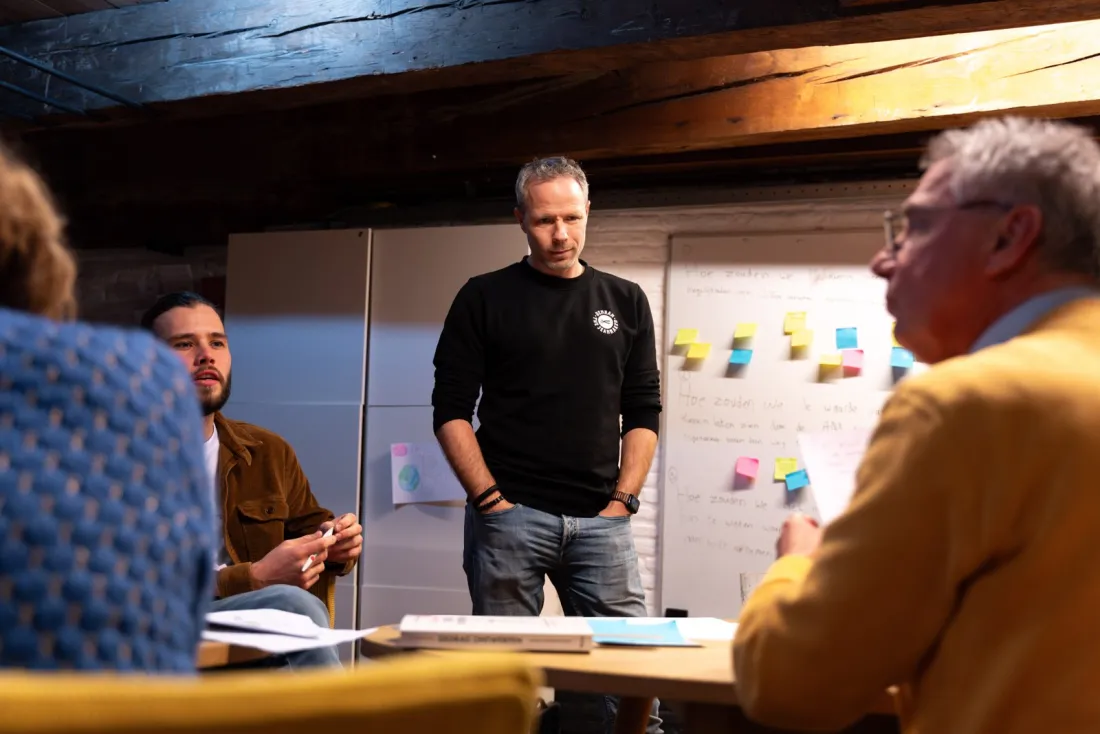
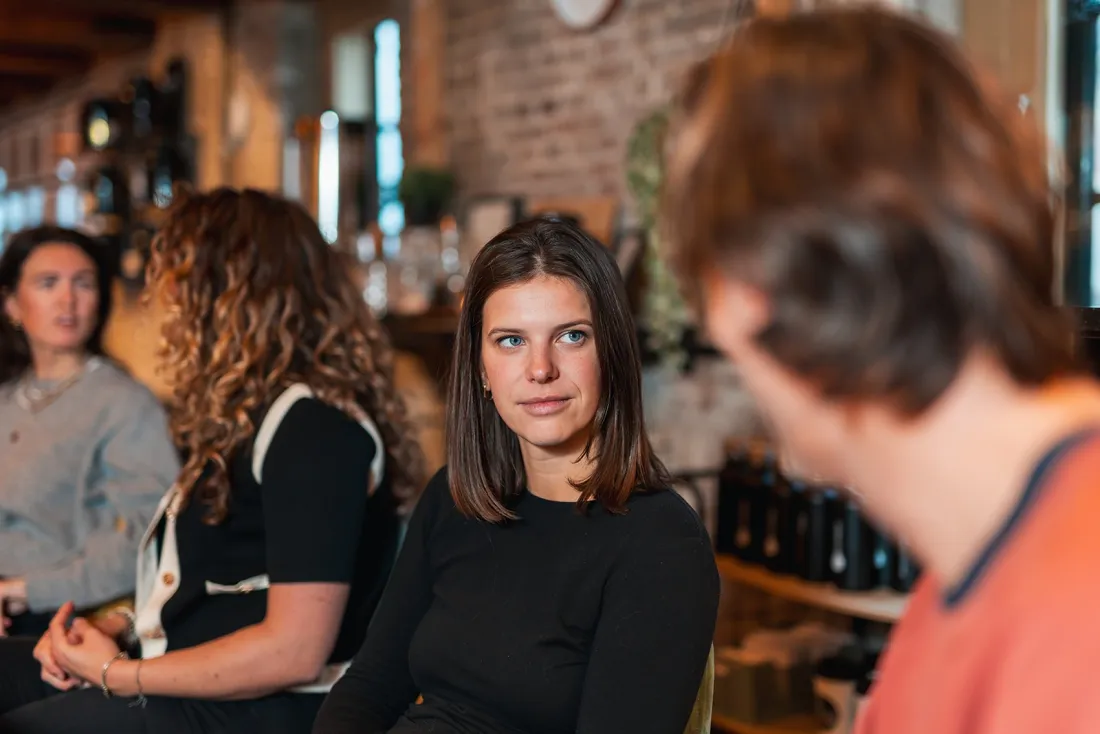
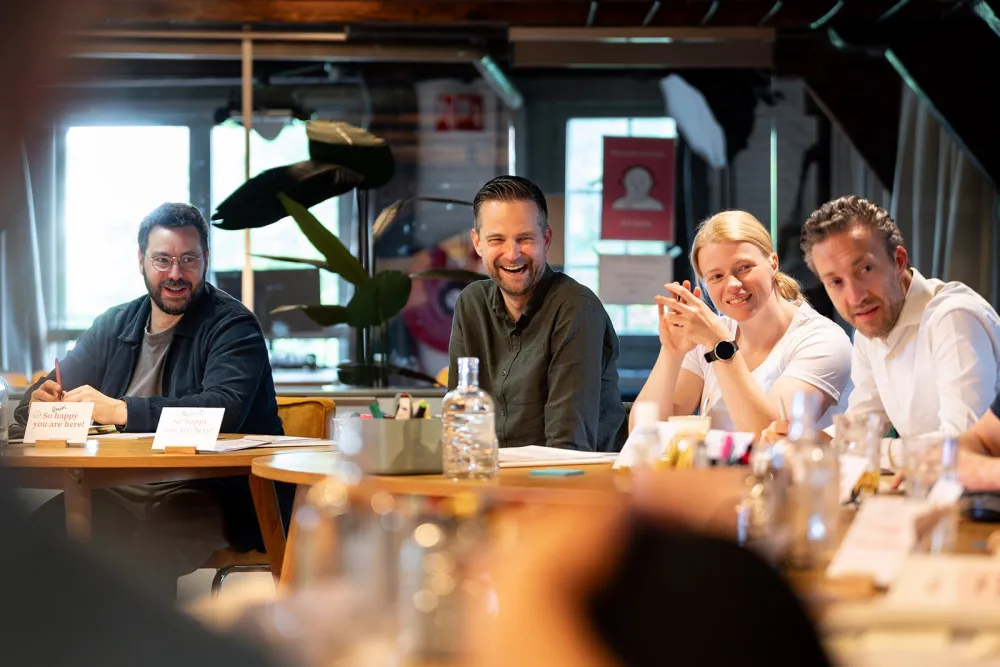
Two days at the 's-Gravenhekje, Amsterdam
Do you recognise this?
The email with every argument
You listed the benefits, pre-empted the objections, added the numbers. Nobody replies. Not because it was unclear, but because nothing in it gave anyone a reason to move.
The campaign everyone understood
The audience knew exactly what you meant. The research proved it. And then hardly anyone did what the campaign asked. Understanding and doing are two different things.
The proposal they called "clear"
You were complimented on the structure. Then it disappeared into a drawer. A proposal that is right is not yet a proposal someone says yes to now.
Persuasion is not a matter of better wording. It is designing the decision of your recipient.
Not quite ready
The brochure has the programme per day, what you take home and what it costs. In your inbox within a few minutes.
What can you do after two days?
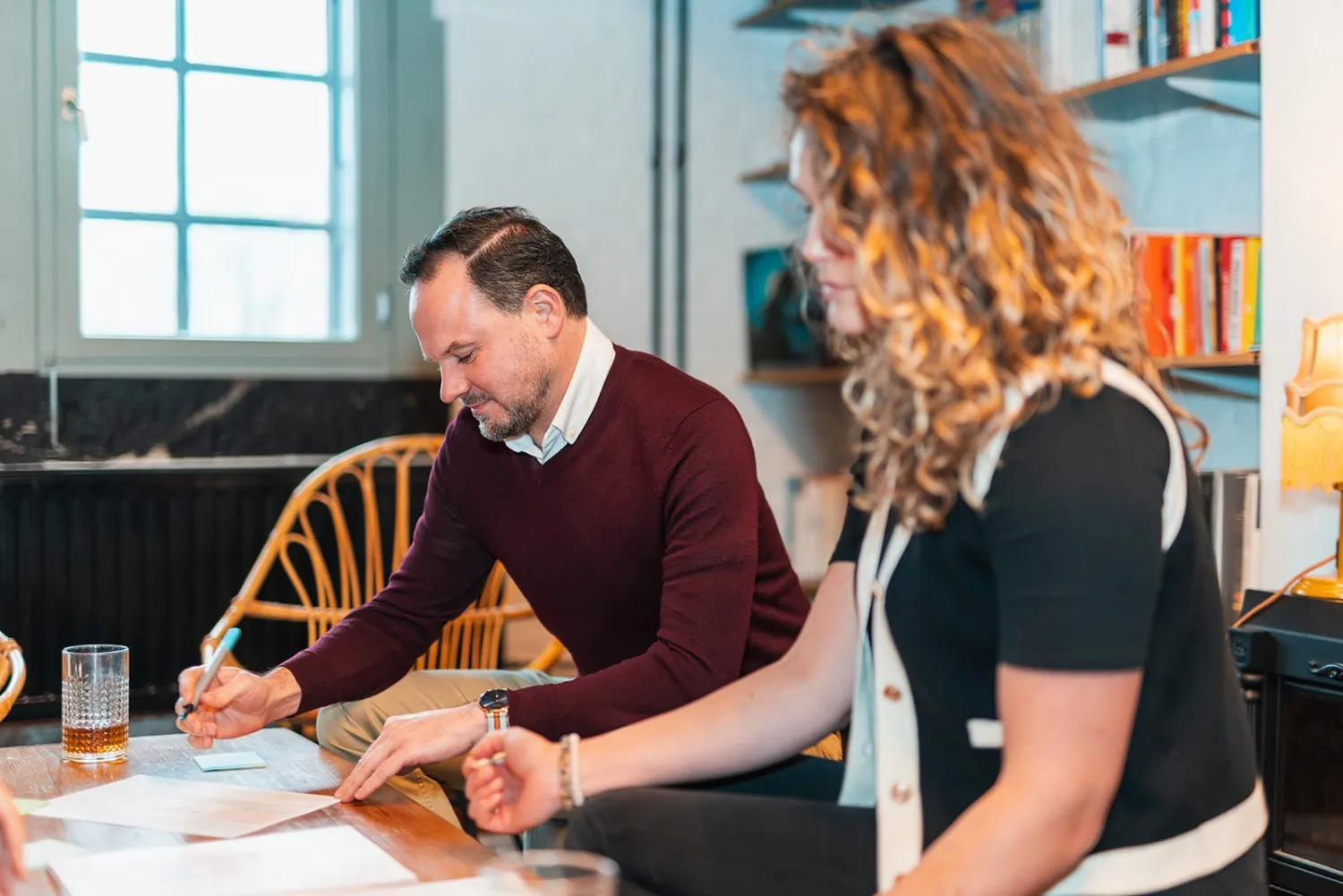

You do your recipient's sums
What do they gain, what do they lose, what do others do and how much effort does a yes cost. You use the SUE | Influence Framework© for that.

You frame on loss, norm and effort
You build a message on one force instead of on every benefit at once, and you place a proposal or campaign around the moment of choice. You design that with framing and the SUE | SWAC Tool©.

You test small before it goes big
An email to ten people, a variant of the landing page, a conversation with the first two. You know whether your message works before the whole organisation sees it.
Together these steps are the Behavioural Design Method©. You learn all three on your own message.
What do the two days look like?
Two consecutive days · 's-Gravenhekje, Amsterdam · at most 16 participants · you work on your own message
How is this different from a persuasion skills course?
| Classic persuasion or presentation course | Behavioural Design Fundamentals | |
|---|---|---|
| What you practise | Your posture, argumentation and voice | Your recipient's decision: what moves them and what holds them back |
| Where it works | At the table and in front of a group | Also in an email, a campaign, a policy text and a form |
| What you take home | Tips and exercises | A design method plus the Behavioural Design Toolkit, applied to your own case |
| Length and group | Usually 1 to 2 days | 2 days, at most 16 participants, Amsterdam |
| Recognition | Varies by provider | EQAC-certified certificate, rated 9.3 out of 10 by participants |
If you want to speak with more confidence in front of a group, choose a presentation course. If you want people to do what your message asks, you are in the right place.
What is persuasiveness, really?
The people we call "natural persuaders" usually got early and frequent feedback on how they came across. What looks like talent is a training programme with a lot of hours in it. The good news: with a method you catch up on those hours, and faster.
Persuasiveness works on four forces that steer every decision. Whoever maps those four sharply for a specific recipient stops searching for words. The words come by themselves, because they fit the real cause of a no.
Definition
Persuasiveness is the ability to design a message so that the recipient acts on it. It is not a natural talent but a skill that works on four forces: what the recipient gains, what they lose, what others do and how much effort a yes costs.
Charisma draws people towards you. Persuasiveness gets them moving. The first is an ingredient of the second, not a replacement.
Trainers from practice
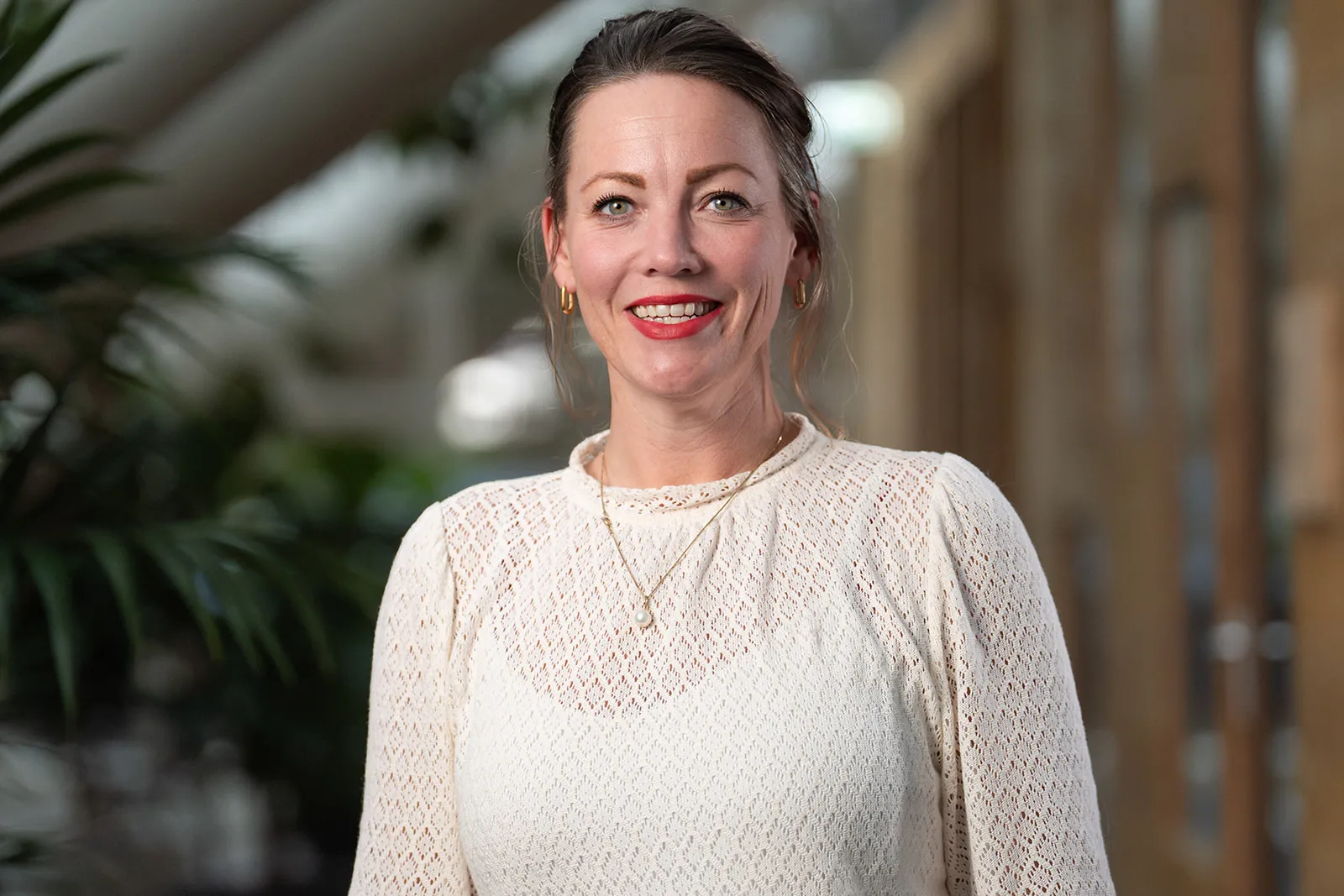
Trainer & consultant
Works where Behavioural Design meets people and culture strategy and wellbeing programmes. Helps organisations understand human behaviour and steer it in a positive direction.
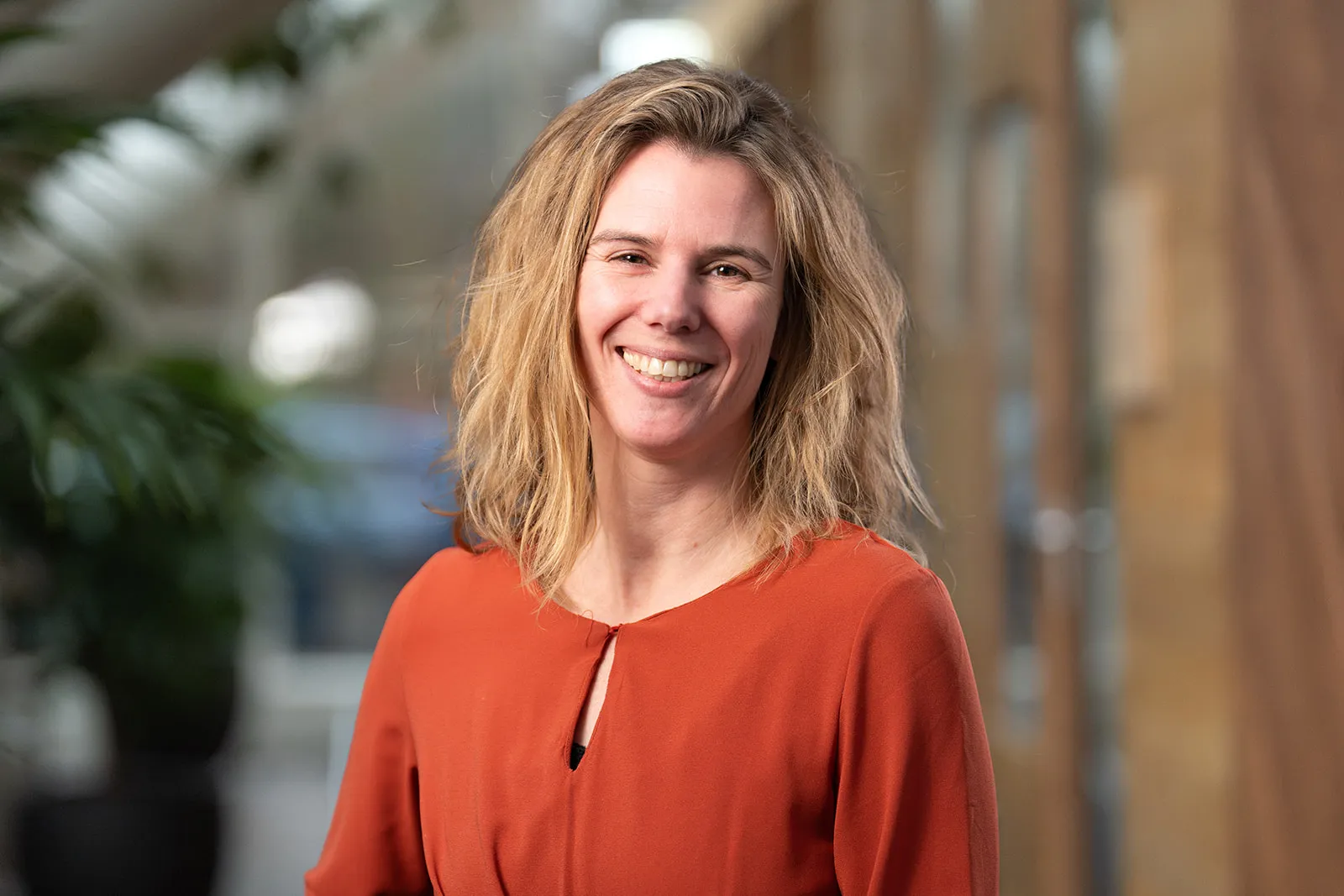
Trainer & consultant
Combines behavioural science with sustainability and healthcare. Specialist in lasting change at the individual, organisational and societal level.

Trainer & consultant
Founder of the Behavioural Design Circle at ABN AMRO. More than 25 years of marketing experience where customer experience, propositions and behaviour change meet.

Product designer & UX strategist
Translates behavioural science into smart, practical solutions in products and services. Helps teams innovate faster and more effectively.
What participants say
SUE Behavioural Design gives you a powerful and practical framework to effectively influence customers and clients. They are focused on client insights that lead to changing behaviour.
Erik Jan Coenraad Marketing manager, KPN
I had very nice and inspiring days, with both insights and practical tips and examples to apply in my practice as a communication professional.
Karine van den Noort Communication expert and owner, De Communicatie Experts
In my projects, this led to surprising behavioural interventions and great satisfaction among my clients.
Josette Häger Strategic communication consultant
What you take home
€ 1,490 excl. VAT · including toolkit, lunch and certificate
Next start dates
Current start dates are loading.
Not for you if
Want to learn this with your whole team, on your own campaigns and proposals? See the courses for your team →
Frequently asked questions
Not by collecting more arguments, but by learning how your recipient decides and designing your message on that. It is a skill, not a talent. In two days you learn to make the diagnosis, design the message and test it small before it goes big.
By doing your recipient's sums before you write: what do they gain, what do they lose, what do others do and how much effort does a yes cost. Build your message on one of those forces instead of on every benefit at once.
Persuasion is about your message, influence is about the situation around it. On the course you learn both; this page is about the message: what you say, write and present so that it lands.
For communication professionals, marketers, policymakers, consultants and managers who need to get others to act with words. No prior knowledge is needed; what you bring is a message or problem of your own.
Two consecutive days at the 's-Gravenhekje in Amsterdam, in groups of at most 16 participants. The next dates and the number of open seats are on this page.
€ 1,490 excl. VAT, including the Behavioural Design Toolkit, lunch, the EQAC-certified certificate, the BD × AI Mentor after purchase and membership of the BD Club.
No. Manipulation works against the interest of the recipient. Behavioural Design makes it easier to choose what someone wants themselves, and the ethical line is part of the course.
Further reading
Why a watertight line of reasoning rarely changes anyone's mind, and where the decision actually falls.
WritingHow to build a text around the reader's decision instead of around your own arguments.
PrinciplesWhat the six principles do and do not do, and how to use them without turning them into a bag of tricks.
Two days, 's-Gravenhekje, Amsterdam
Behavioural Design Fundamentals · € 1,490 excl. VAT · the start dates are further up this page