How do you design a break time that fills up with conversation instead of screens?
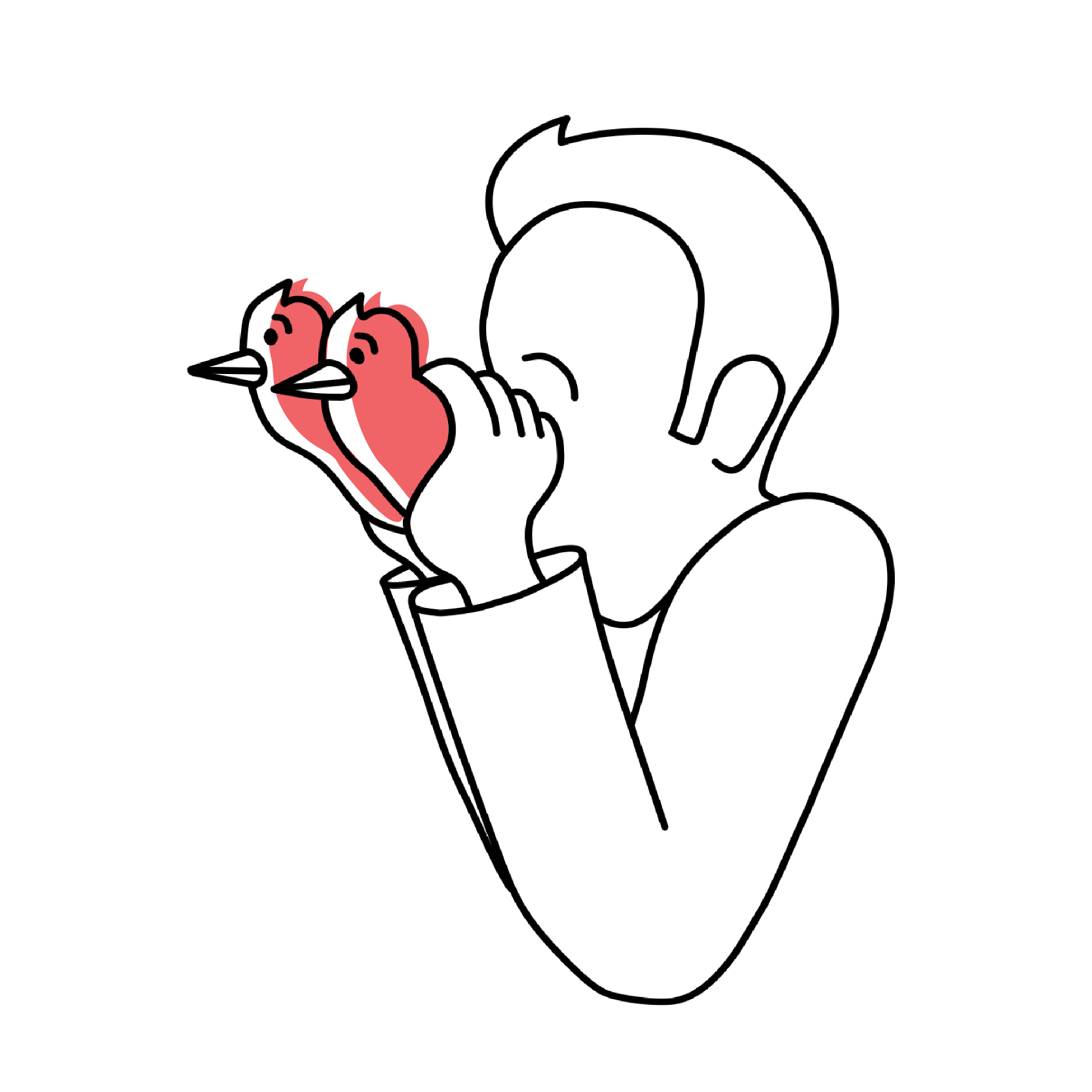
Walk through a school at break time and count how many children are talking to each other. In most schools, the number is lower than you would hope. The yard is full of people who all know each other, close enough to speak, but the attention is somewhere else - on a screen, in a pocket, in a feed that keeps offering something more immediately rewarding than the person standing next to you. The standard response is a phone ban. Put the phones in a box at the door and the conversations will return. It is the right instinct, and mostly the wrong intervention, because a ban empties the pocket without filling the yard.
The ban that empties but does not fill
The conventional response to phones in schools is to ban and to warn. Ban the phones. Run awareness lessons about digital health. Hold parent information evenings. The logic assumes the phone is the whole problem, and that removing it will solve the distraction and isolation.
But a ban, on its own, changes where the behaviour happens, not the desire behind it, and an emptied break time does not automatically fill with something better. Australian schools that only banned phones, without redesigning the playground, saw little effect, because removing the phone left a void that nothing was designed to fill. The pupils, deprived of the screen but offered no compelling alternative, simply waited it out or found other ways to disengage. The ban emptied the break time of screens but did not fill it with anything, and an empty environment does not generate social behaviour by itself. Removing a trigger is only half the work; the other half is designing what takes its place.
The schools that succeeded did both. They removed the trigger, phones into a box at the entrance, and they actively redesigned the break spaces to invite social behaviour. With the phone no longer in the pocket, the constant pull to check it was gone, and the redesigned environment gave the freed-up attention somewhere to go: into conversation, into spontaneous play. The result was more talking, more playing, and less bullying, not because pupils were lectured about the value of real interaction, but because the trigger was removed and the environment was designed to fill the space with social behaviour. Trigger removal plus a designed alternative produced what the ban alone could not.
Why this is design, not a rule
You could read the phone-free playground as simply enforcing a sensible rule. But the behavioural lesson is about trigger removal and substitution, and that pairing is the mechanism.
The combined approach does not motivate pupils to be more social by telling them to put their phones down and talk. There is no campaign about the value of real conversation doing the work. The social behaviour comes from two environmental changes: the trigger is removed, so the pull to check the phone is gone, and the environment is designed so that the freed attention flows into social activity. Pupils talk and play more not because they were persuaded to, but because the trigger was removed and the alternative was designed in. The behaviour is not exhorted. It is produced by trigger removal plus substitution.
That is the difference between design and motivation, and with screen distraction it is decisive. Motivation tells pupils to choose connection over screens, which does little while the trigger remains and the alternative is absent. Design removes the trigger and builds the alternative, so the social behaviour happens on its own. You cannot reliably motivate connection in an environment that keeps triggering the screen and offers nothing else. You can remove the trigger and design the alternative, and let the connection follow.
The distraction and isolation were never only about the pupils' choices. They were about an environment that kept triggering the screen and offered nothing designed to take its place. At SUE, the Influence Framework and SWAC are the methods we teach in the Behavioural Design Fundamentals Course to systematically analyse how environmental triggers drive behaviour and where you can redesign the space to make a different behaviour the natural outcome.
The principle: trigger removal and behavioural substitution
The research underneath this is well established, and naming it turns the phone box into a usable principle.[1]
Two ideas combine. Trigger removal recognises that much behaviour is cued by environmental triggers, the phone in the pocket is a constant cue to check it, and that removing the trigger removes much of the behaviour. But trigger removal alone leaves a void, which is where behavioural substitution comes in: removing a trigger creates space for alternative behaviour, provided the environment makes that alternative behaviour possible. Take away the trigger without designing the substitute, and the space stays empty or fills with something unwanted. Take away the trigger and design the substitute, and the freed behaviour flows into the alternative the environment supports.
This is exactly why the schools that did both succeeded where the schools that only banned did not. Banning alone removed the trigger but left the void, so little changed. The combined approach removed the trigger and designed the substitute, so the freed attention flowed into conversation and play. The phone box plus the redesigned playground is trigger removal plus behavioural substitution working together, which is what produced the more, not just the less: more talking, more playing, less bullying. Remove the trigger, and design what fills the space.
The empty, screen-pulled break time was never only about the phones. It was about removing a trigger without designing the behaviour that should take its place.
This pairing turns out to be one of the most general and most overlooked principles in all of behaviour change, and the cost of ignoring it is everywhere. People give up a bad habit and relapse, because they removed the trigger but never designed the substitute, leaving a void that the old behaviour eventually flows back into. Organisations ban a practice and watch it reappear in a new form, because they removed the trigger without giving the underlying need somewhere else to go. The schools that only banned phones are simply one instance of a mistake that gets made constantly: treating removal as the whole job. The freed space is not neutral; it will fill with something, and if you have not designed what that something is, you do not get to choose. The discipline is to always ask, the moment you remove a trigger, what you are putting in its place.
Learn to apply this yourself
What makes trigger removal plus behavioural substitution so powerful is that it shifts the design question from "how do we motivate people?" to "what in the environment is cueing the old behaviour, and what can we put in its place?" The Influence Framework and SWAC give you a structured method to map those triggers and design the substitute so the desired behaviour becomes the path of least resistance.
View the online Fundamentals CourseWhat you can design this week
You do not need to run a school to apply this. The principle, that trigger removal works only when paired with a designed substitute, applies to almost any behaviour you want to change.
Remove the trigger, do not just resist it. Much behaviour is cued by environmental triggers. Removing the trigger, the phone in the pocket, the snack on the counter, the notification, does more than asking people to resist it, because it addresses the cue rather than relying on willpower.
Design the substitute, do not leave a void. Removing a trigger creates empty space, and empty space does not fill itself with something better. Pair every trigger removal with a designed alternative that gives the freed behaviour somewhere to go.
Aim for more, not just less. The schools that did both got more conversation, not just less screen time. Designing the substitute is what turns a reduction in the unwanted behaviour into an increase in the wanted one.
Treat removal and substitution as a pair. This is the deeper shift. Trigger removal and behavioural substitution are two halves of one move. Doing only the first empties the space; doing both fills it with what you want. Always design both together.
The thread is the one that runs through everything we do at SUE. You rarely create a behaviour by telling people to choose it. You create it by removing the trigger for the old behaviour and designing the environment that invites the new one. Australia's best schools did not just ban phones. They removed the trigger and redesigned the break time, and let the space fill with conversation.
If you want to learn how to pair trigger removal with designed substitution so the space fills with the behaviour you want, that is exactly the kind of work our Behavioural Design training is built around.
Frequently asked questions
Why did the phone ban alone fail to bring back conversation in the playground?
Because the ban addressed the trigger without designing what should fill the freed space. Australian schools that removed phones without redesigning the playground found that pupils simply waited out the break time; they had nothing else to do, so removing the screen changed very little in practice. Behaviour does not shift just because one option is blocked. It shifts when an alternative is made genuinely available.
What is behavioural substitution and why does it matter here?
Behavioural substitution is the design principle that trigger removal always needs a paired alternative. Removing a trigger creates space, but empty space is not neutral: if nothing is designed to fill it, the freed attention will find its own destination, which is usually not the one you wanted. In the playground case, it was the combination of removing phones and actively redesigning the break spaces that produced more conversation and less bullying. The substitution is what turns a reduction in unwanted behaviour into an increase in the wanted one.
How do I apply this outside a school?
Identify the environmental trigger for the behaviour you want to change, and remove it rather than relying on willpower or persuasion. Then, immediately pair that removal with a designed alternative: something in the environment that gives the freed behaviour somewhere specific to go. The school's phone box was paired with redesigned social spaces; a home version might be putting the phone in another room and placing a book or a game where the phone used to sit. The sequence is always the same: remove the trigger, then design the substitute.
Why does giving up a bad habit so often lead to relapse?
Because most habit-breaking focuses entirely on trigger removal and leaves the void unaddressed. The old behaviour was filling a function, and once the trigger is gone the function still needs meeting. Without a designed substitute to absorb that underlying need, the space stays empty, and an empty space gradually pulls the old behaviour back in. Relapse is not a failure of willpower; it is a predictable consequence of doing only half the job.
If you want to learn how to design for behaviour rather than trying to motivate it, that's exactly what the Behavioural Design Fundamentals Course covers. View upcoming dates →