How do you design a hospital where the body heals faster?
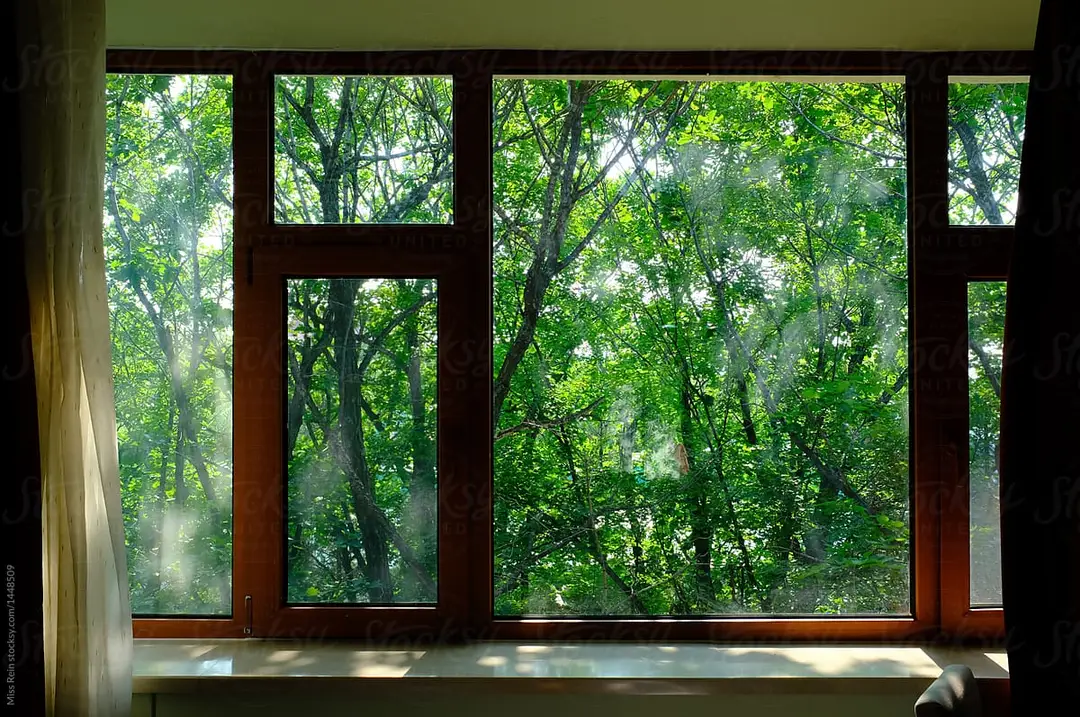
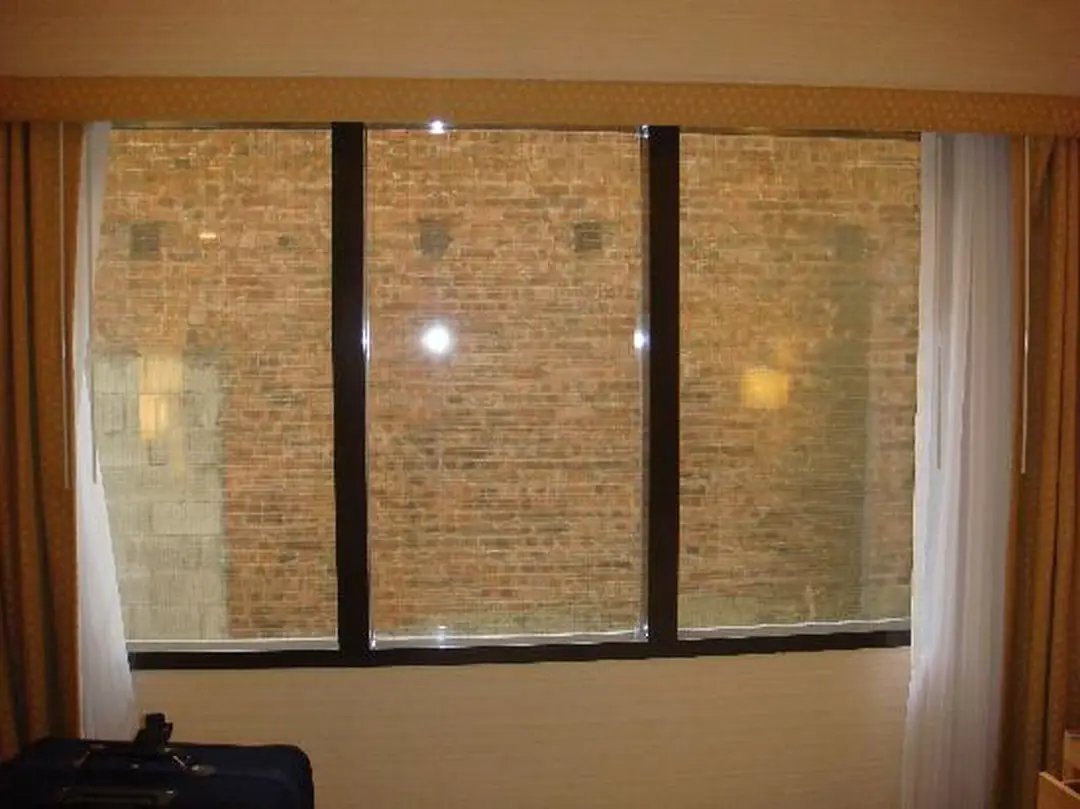
Picture two hospital rooms on the same ward, identical in every way that a hospital measures. Same operation, same surgeons, same drugs, same nurses. One looks out on a small stand of trees. The other faces a brick wall. By everything medicine usually counts, these patients should recover identically. They did not. The ones who could see the trees went home sooner, asked for fewer strong painkillers, and drew fewer discouraged notes from their nurses.
The image is almost too plain to trust: a window, a few trees, a measurably faster recovery. But it points at something we badly underrate, that the room a body sits in is not a neutral backdrop to healing. It is part of the treatment.
What the study actually found
In 1984 the researcher Roger Ulrich published a study in Science that has been cited ever since, precisely because it isolated the effect so cleanly. He examined the records of patients recovering from the same operation, a gallbladder removal, in the same suburban hospital over nearly a decade. The patients were similar; the surgery was the same; the wards were the same. The one systematic difference was the view from the bed. Some rooms looked onto a small cluster of trees, others onto a brick wall.
The patients with the view of trees had shorter stays after surgery, needed fewer doses of strong painkillers, and received fewer negative evaluative comments in the nurses' notes.[1] Nothing about their medical treatment differed. The only thing that changed was what they could see, and it reached past their mood and into their recovery itself.
Nobody decided to heal faster
There is nothing to motivate here, and that is exactly the point. No one asked the patients to heal faster. No one could. Recovery is not a matter of willpower, and yet the environment changed it anyway, with no effort or intention from the person in the bed.
This is what makes the study so quietly radical. We tend to think the environment touches our mood, and that mood is a soft, secondary thing, while the body's real business proceeds on its own biological track. Ulrich showed the line is not so clean. The view fed into stress, and stress is physiological, and so the room reached into pain and healing time directly. The patient did not have to do anything for this to work. The environment did the work on its own, which is the purest possible demonstration that you change outcomes by changing the situation, not by exhorting the person.
The science: restorative environments
The principle underneath Ulrich's window is what came to be called the restorative environment. Certain surroundings, particularly those with natural elements, lower physiological stress: they calm the nervous system, and a calmer nervous system supports the body's own recovery. This is not about a view being pleasant. It is about the environment acting as a continuous physiological input, raising or lowering stress every minute a person is in it, whether anyone designed it to or not.
That reframes every space where people are meant to recover, concentrate or feel safe. A room is never neutral. It is always making an argument to the nervous system of the person inside it, all day, through its light, its view, its greenery, its sense of enclosure or exposure. The waiting room, the classroom, the office, the care home, each one is shaping the bodies in it. The only question is whether someone designed that argument on purpose, or left it to chance. Ulrich's contribution was to prove that the argument is real and measurable, even in something as serious as surgical recovery, which we had filed firmly under medicine and willpower and assumed the room had nothing to do with.
Through a Behavioural Design lens
It is worth slowing down on why this matters beyond hospitals, because it is a clean example of a force we constantly forget to design for.
Start with the person. A patient recovering from surgery is trying to do something they cannot consciously control: get better, feel safe, get home. The forces around that are not really about willingness at all. What pushes recovery along is rest and calm; what holds it back is stress, fear, the low hum of an environment that signals threat rather than safety. And here is the crucial part: the patient cannot will their way past those forces. You cannot tell a stressed nervous system to relax. So the only place to intervene is the environment, the thing acting on the body whether the person consents or not. Reading a behaviour this way, by the forces acting on it rather than the person's effort, is what we call the Influence Framework at SUE, and in this case it points unmistakably away from the person and towards the room.
Now the fix. Of the levers you can pull to change behaviour, one is the cue, the quiet, constant signal in the environment that prompts a response without anyone noticing. We usually think of a cue as a single nudge, a reminder, a prompt. But an environment can be a continuous cue, making the same argument to the nervous system every second a person is in it. Ulrich's trees are exactly that: not a one-off intervention but a standing signal of safety that lowers stress all day long. Designing that standing signal, pointing the bed at something living, giving the spaces where people recover the best light, treating greenery as part of the outcome rather than the decor, is how you change a physiological response without asking the person to do anything. That use of a constant environmental cue is what we call working on the spark in the SWAC Tool, the trigger in the situation that shapes behaviour below the level of conscious choice.
The lesson travels into every space you are responsible for. The room where your team does its hardest thinking, the space where a difficult conversation happens, the area where customers wait, all of them are making a continuous argument to the people in them. You will get more from improving that argument than from telling people to focus harder or feel calmer, because the body answers the environment before it answers an instruction. That is the whole of Behavioural Design here: the body is not separate from the room it sits in, so change the room, and you change the person in it. At SUE, the Influence Framework and SWAC are the methods we teach in The Art of Influence© to systematically analyse how the environment drives health behaviour without relying on willpower.
What this means in practice
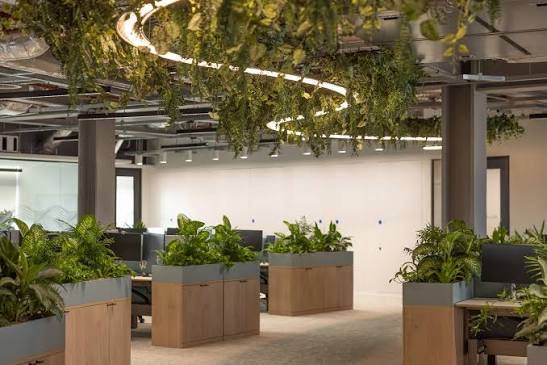
This turns out to be one of the most useful and most ignored levers you have, starting with your own life. The space where you work on what matters is shaping your stress and focus every minute, whether you arranged it to or not. Most people never audit it. Give your most demanding work the best light and a view of something living if you possibly can, and stop expecting willpower to compensate for a room that is quietly working against you. The environment is doing half the work; the only question is in which direction.
For anyone leading people, this is a quiet superpower, because it works without anyone having to be persuaded of anything. You do not need to convince a team to be less stressed or more focused. You can change the conditions that produce stress and scattered attention, the light, the noise, the view, the sense of enclosure, and the behaviour shifts on its own. The best place for people to recover or concentrate should not be the windowless room you gave to storage. Treat daylight and a calming outlook as part of performance, not as a perk, because for the nervous system they are.
And for the organisation, this reframes a lot of what gets dismissed as soft. The design of a hospital ward, a school, a call centre, a waiting room is not decoration laid over the real work; it is an input to the outcomes everyone is measured on, recovery times, error rates, concentration, calm. The question is not how do we get people to perform despite the space, but what is the space doing to them, and how do we make it work in our favour. That is a learnable discipline, and it applies anywhere a human body has to recover, focus or feel safe.
Learn to apply this yourself
What makes Ulrich's finding so useful as a design principle is that the environment acts as a continuous physiological input, shaping stress, recovery and behaviour below the level of conscious awareness, which means changing the space changes the outcome without requiring any effort from the person in it. In The Art of Influence© you learn to apply the Influence Framework and SWAC to systematically map those environmental forces and redesign the conditions that drive the behaviour you are after.
View The Art of Influence© onlineWhat you can design this week
The move works on your own focus, the people you lead, or any space you shape. Three ways to start:
Point the chair at something living. When you place a desk, a bed or a waiting area, ask what it faces. A window, a tree, a plant in the line of sight is not decoration, it is part of the outcome. Turn the seat towards the view, starting with your own.
Treat daylight as a resource, not a luxury. Give the spaces where people need to recover or think clearly the best natural light you have, and save the windowless rooms for storage and equipment, not for the people you want at their best.
Audit one space for what it tells the body. Pick a room where people are meant to recover, calm down or focus, an office, a clinic, a meeting room, and read it the way Ulrich read those wards. Light, view, greenery, a sense of enclosure. Change the weakest one.
Two patients had the same surgery and recovered differently because one could see a tree. No one healed harder; the room did its work regardless. Any space where people recover, concentrate or feel safe is making the same continuous argument. The only choice is whether you design it.
If you want to learn how to read environments for the behaviour and the outcomes they produce, that is exactly the kind of work our Behavioural Design training is built around.
If you want to learn how to design for behaviour rather than trying to motivate it, that's exactly what The Art of Influence© covers. View upcoming dates →
Frequently asked questions
What did Roger Ulrich's 1984 window study find?
Patients recovering from gallbladder surgery who could see a small stand of trees had shorter hospital stays, needed fewer doses of strong painkillers, and received fewer negative notes in nurses' records - compared to patients whose windows faced a brick wall. The only difference between the groups was the view.
What is a restorative environment in behavioural science?
A restorative environment is a setting - particularly one with natural elements - that lowers physiological stress and supports the body's own recovery. Ulrich's research showed that natural views reduce stress in measurable, physical ways, not just emotional ones, affecting pain and recovery time directly.
How does the environment affect recovery and focus?
The environment makes a continuous argument to the nervous system of anyone in it, through light, view, greenery, and enclosure. A calmer nervous system supports faster recovery, better concentration, and lower stress - regardless of whether anyone consciously notices the environment. The room is never neutral.