How do you design a retirement where people still feel needed?
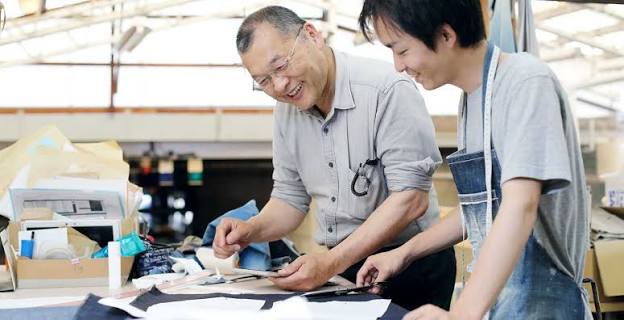
Picture a community workshop in a Japanese town on a weekday morning. A man in his seventies is repairing a wooden bench, the same hands that spent forty years as a carpenter moving with the old certainty. Down the road, a retired schoolteacher is helping at the local kindergarten, and another older resident is pruning the trees in a public park. None of them are being kept busy with activities laid on to pass the time. They are doing real work that the community actually needs, and they are the ones providing it, not receiving it.
This is a Silver Human Resource Centre, part of a network across Japan, and the picture of it, older people visibly needed rather than merely looked after, makes the argument before a word is said. It is a clean example of designing for a feeling, the sense of mattering, by changing the situation rather than trying to instil the feeling directly. And the mechanism behind it reaches well beyond ageing, into anyone you have ever tried to make feel valued.
What Japan actually did
As its population aged faster than any other country's, Japan faced a question most societies are only beginning to confront: what do healthy, capable people do with the decades after formal retirement? Its answer, built up over many years, was the Silver Human Resource Centre system. There are now more than a thousand of these centres, with hundreds of thousands of members between them, organised at the municipal level and supported by national policy.
The centres do something specific. They match the skills and availability of retired people to genuine local needs: light maintenance, gardening, clerical work, childcare support, teaching, repairs. Members take on part-time, paid assignments that suit them. The work is modest by design and not meant to replace full employment, but it is real work for which there is real demand. No one is told they still matter. They are placed in situations where they plainly are needed, and the feeling follows from the fact.
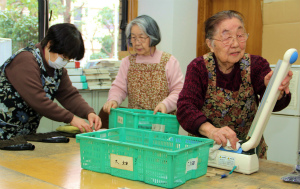
The mattering was never something you could simply assert
Japan did not try to convince its retirees that they were still valuable. It built situations in which they were visibly needed, and let the sense of value follow. That is the reversal worth pausing on. The instinctive approach to ageing is to provide: pensions, care, social activities, outings, all of it necessary and well meant. But notice the role it quietly assigns. In almost all of it, the older person is the recipient, the one things are done for, the object of provision rather than the source of anything.
The Silver Centres flip that role. The member is the one doing the needed thing, the one the kindergarten or the park or the neighbour relies on. That is a categorically different position from being cared for. Being done for, endlessly, with no role to hold and nothing depending on you, is its own slow erosion of purpose, however kindly it is meant. To be needed is closer to the opposite of being managed. It carries a message that no reassurance can deliver: this place works a little less well without you.
This is the difference between telling and designing. Telling someone they matter works on their beliefs and tends to bounce off, because words cannot manufacture the lived experience of being relied upon. Design changes the situation so that they actually are relied upon, and the sense of mattering becomes a description of reality rather than a hopeful claim.
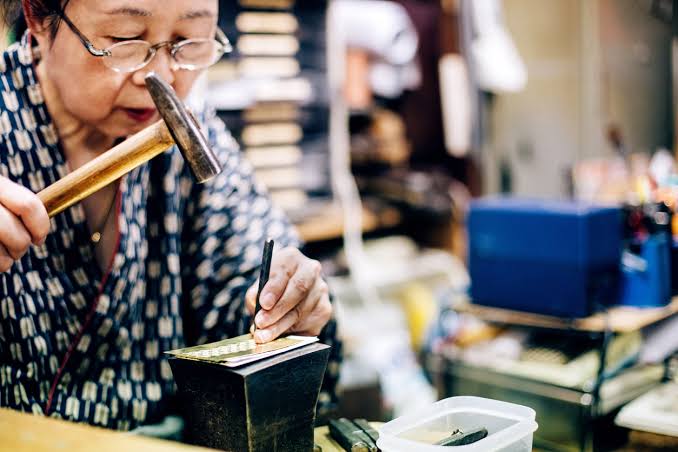
The science: the role a context assigns, and why purpose protects health
The behavioural principle underneath the Silver Centres draws on role theory and on a growing body of research linking sense of purpose to wellbeing and even longevity. Role theory holds that a great deal of our behaviour, and our sense of self, is shaped by the social roles we occupy and the expectations attached to them. A role is not just a label; it is a set of expectations from others that pulls behaviour and identity along with it. Give someone the role of a contributor, with people who genuinely depend on them, and they tend to grow into it. Strip every role away, as conventional retirement often does, and something essential loses its anchor.
The health research makes this concrete. Studies of older adults have repeatedly found that a strong sense of purpose is associated with better physical and cognitive outcomes and lower mortality risk, even after accounting for the obvious factors.[1] People who feel their days are needed by others tend to stay healthier than those with no role to fill. The mechanism is not mysterious: a person who is expected somewhere, who has responsibilities others rely on, has reasons to stay active, connected and engaged that no leisure programme can supply.
The Silver Centres, then, are not merely a kindness or a way to keep older people occupied. They are, in effect, a public health intervention that works by handing people a genuine role. The needed work is the active ingredient. The wellbeing is the result of designing the situation so that purpose is built in rather than hoped for.
Through a Behavioural Design lens
It is worth slowing down on what Japan actually did, because it is a clean example of how a feeling like mattering is really produced, as opposed to how we usually try to instil it.
Start with the person, not the provision. Before you can lift anyone's sense of purpose, you have to understand the progress they are really trying to make. A retired person is not chasing activities to fill the hours. They want to remain someone, to be useful, to be part of something that would notice their absence. Hold that real motive in view and the forces around it come into focus. Two pull a person towards taking on a real role: the quiet ache of feeling surplus to requirements, and the deep reward of being genuinely relied upon again. Two hold them back: the worry that they are too old or out of practice to be useful, and the comfortable, undemanding ease of simply being looked after. Map those four forces around the real motive and the problem reframes itself. The desire to contribute was never gone. It had nowhere to go. This way of mapping a behaviour, the deeper motive plus the four forces around it, is what we call the Influence Framework at SUE, and it is where any attempt to restore purpose should begin: with the human, before the programme.
Now to the intervention. A useful way to see what the Silver Centres do is as a sequence: they reach older people and catch their attention, they connect a person's skills to a real and specific need, they make the step into a genuine role easy and dignified rather than daunting, and they sustain it through ongoing, repeated assignments so the role becomes a stable part of life. Most efforts to help older people fail somewhere in that sequence, usually by offering generic activities that catch attention but never connect to a real need or become a lasting role. The Silver Centres are built the other way round: the heart of the work is the genuine match between a person and something that truly needs doing, and then the repetition that turns one assignment into an identity.
This is the move that travels, and it has nothing to do with retirement. The first question is never how do I make this person feel more valued, but what would make them genuinely needed, and how do I build that. Hand someone a real responsibility that something depends on, and the sense of worth you were trying to reassure into existence often simply appears. That, in one line, is the discipline of Behavioural Design here: you do not tell people they matter, you design a situation in which they are needed, and the feeling follows the fact. At SUE, the Influence Framework and SWAC are the methods we teach in the Behavioural Design Fundamentals Course to systematically analyse how a role can be designed into a situation so that purpose and belonging become the natural result rather than something you try to instil.
What this means in practice
It is tempting to file the Silver Centres under elder care and move on, but the same lever sits underneath how we make almost anyone feel valued, starting with the people around us.
At the personal level, think of someone in your life you have gently shifted into the looked-after role, perhaps an older relative you do everything for, or a friend going through a hard time you only ever check on. The Silver Centre lesson, turned personal, is that kindness expressed only as provision can quietly diminish. Sometimes the more generous act is to need them for something real, to ask for their help or advice on a thing that genuinely matters to you, rather than only doing things for them. Being needed restores something that being cared for cannot.
The same move scales up to leading people. When someone on the team drifts or disengages, the instinct is to reassure them that they are appreciated. Far more effective is to give them a real responsibility that the team genuinely relies on, something that would actually be missed if they dropped it. A good leader does not hand out reassurance; they hand out genuine ownership, because a real role generates a sense of worth that praise never can.
And it scales again to the organisation. Why do recognition schemes so often fail to move the people they target? Rarely because the appreciation is unwelcome; far more often because being told you matter is no substitute for being structurally relied upon. Why do long-serving people quietly fade once they are moved to advisory, no-real-stakes positions? Because the role no longer needs them. In every case the high-leverage question is the same: not how do I make this person feel valued, but how do I make them genuinely needed, and design the situation so they are. That question is a learnable skill, and it transfers to everyone whose worth you have ever tried to affirm.
Learn to apply this yourself
What makes the Silver Centres work is not the activity itself but the structural assignment of a genuine role: someone depends on you, your absence would be noticed, and that fact changes how you move through the day. In the Behavioural Design Fundamentals Course you learn to use the Influence Framework and SWAC to map those four forces around a real human motive and design situations in which the desired behaviour - showing up, contributing, connecting - becomes the natural path of least resistance.
View the online Fundamentals CourseWhat you can design this week
The same move works on someone in your own life, a team member who has drifted, or a group whose veterans have been sidelined. Three ways to start:
Need someone, do not just care for them. Find a person you tend only to do things for, and instead ask for their genuine help or judgement on something that actually matters to you. Being relied upon does more for a person's sense of worth than any amount of being looked after.
Hand over a responsibility that can really be missed. Reassurance fades; a real role does not. Give someone a task the group genuinely depends on, not a token job to make them feel involved, and let the importance of it be visible.
Design the role, not the recognition. When you want someone to feel they matter, resist the instinct to tell them so. Build a situation in which they plainly are needed, and let the feeling follow the fact rather than the words.
Japan did not persuade its retirees that they still counted. It built situations in which they genuinely did, and let purpose look after itself. That is exactly as useful for a relative you love, a colleague who has gone quiet, or an organisation that sidelines its most experienced people, as it is for an ageing nation.
If you want to think this way about making people genuinely needed, our Behavioural Design training works through exactly this: how to read a situation, find where a real role is missing, and design one in.
If you want to learn how to design for behaviour rather than trying to motivate it, that's exactly what the Behavioural Design Fundamentals Course covers. View upcoming dates →
Frequently asked questions
What are Japan's Silver Human Resource Centres?
Silver Human Resource Centres are a nationwide network of over a thousand municipal organisations in Japan that match retired people to real local work, from light maintenance and gardening to childcare support and teaching. Members take part-time, paid assignments matched to their skills. The system was built on the insight that genuine contribution, not just activity, is what generates a sense of purpose in later life.
Why does having a sense of purpose matter for health in older adults?
Research consistently shows that a strong sense of purpose is associated with better physical and cognitive outcomes and lower mortality risk in older adults, even after controlling for other factors. The mechanism is practical: a person who is expected somewhere and whose presence matters has reasons to stay active, connected and engaged. Purpose is not a mood; it is produced by having something that genuinely depends on you.
What is role theory and how does it relate to ageing?
Role theory holds that much of our behaviour and sense of self is shaped by the social roles we occupy and the expectations others attach to them. Conventional retirement strips away the roles that supplied identity, structure and social connection during working life, without replacing them. Japan's Silver Centres address this directly by giving retired people a new role: contributor. The role changes what the day is for, and the sense of purpose follows the fact of being needed.