How do you design a museum children walk through as adventurers, not tourists?
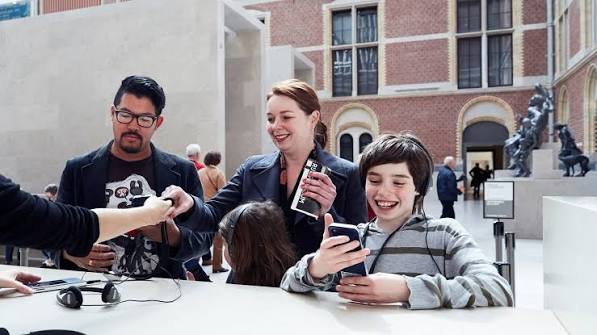
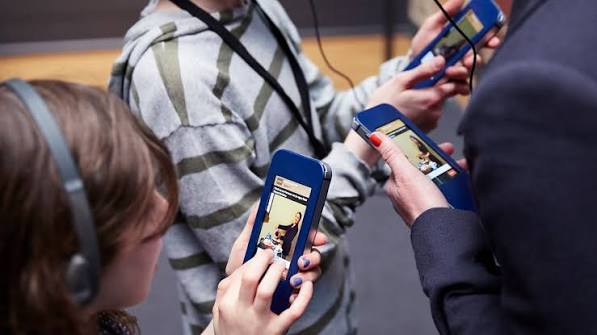
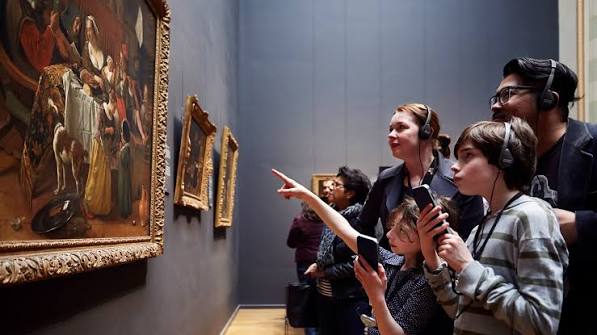
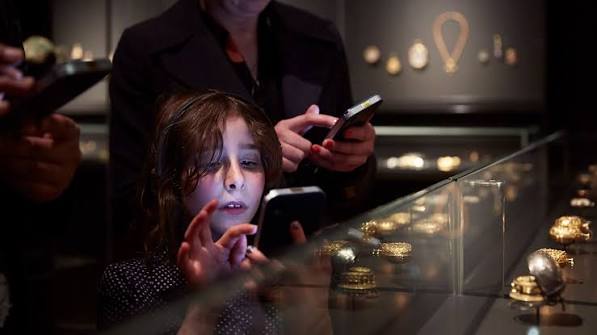
The Rijksmuseum found a different way, and the difference is a design lesson rather than a curatorial one. Its Family Quest is a treasure hunt in which children solve riddles that lead them through the galleries. They do not walk past the art; they are led through it by the puzzle. A child stands in front of the Night Watch not because they were told to, but because the riddle brought them there. The same paintings, the same rooms, a completely different experience, produced not by changing the collection but by changing what the environment asks the child to do.
The museum that bores children with treasure
The conventional response to children finding museums boring is to add child-friendly content. More youth programming. Audioguides for kids. Special school tours. The assumption is that children are bored because the material is not pitched at them, and that the right add-ons will fix it.
But the collection was never the problem. The environment built around it is. A museum is, almost everywhere, designed as though silence were sacred, touching forbidden, and the highest form of engagement were reading a label and moving on in an orderly line. For a child, that environment is a set of instructions to be passive, and passivity is boring. No amount of additional youth programming overcomes the basic posture the environment demands, which is to look quietly and not really do anything. The child is bored not by the art but by the experience the environment scripts around it.
The Rijksmuseum changed what the environment asks the child to do. Instead of leading children past the art as passive observers, the Family Quest gives them a riddle to solve, and the riddle pulls them through the galleries as active participants. The child is no longer told to look at the Night Watch; they arrive at it because the puzzle led them there, and they look at it with the engaged attention of someone on a hunt rather than the glazed attention of someone being marched through. The environment stopped scripting passivity and started scripting curiosity. The art did not change. What the child was asked to do did.
Why this is design, not content
You could read the Family Quest as a fun activity bolted onto the museum visit. But that misses the mechanism, and the mechanism is why it works where audioguides do not.
The Quest does not motivate children to find the art interesting by telling them how important it is. There is no lecture about the significance of the masterpieces. The engagement comes from the environment putting the child into a state of active curiosity, in which the art becomes the answer to a question they actually want answered. The child is not persuaded to care; they are placed in a situation where caring happens naturally, because the puzzle has given them a reason to look. The interest is not exhorted. It is produced by the design of the experience.
That is the difference between design and motivation, and with a bored child it is decisive. Motivation would try to convince the child that the art is worth their attention, which rarely works on anyone, least of all a child. Design changes the experience so the attention arises on its own, because the child is now curious and the art is the payoff. You cannot reliably talk a child into being fascinated. You can build an experience that makes them curious, and let the fascination follow.
The boredom was never really about the art failing to interest children. It was about an environment that scripted them into passive looking rather than active curiosity. At SUE, the Influence Framework and SWAC are the methods we teach in the Behavioural Design Fundamentals Course to systematically analyse how an environment builds in curiosity and engagement.
The principle: curiosity makes the brain learn
The research underneath this is striking, and naming it turns the treasure hunt from a gimmick into a usable principle.[1]
In a 2014 study published in Neuron, Gruber, Gelman and Ranganath investigated how curiosity affects memory and learning. They found that when people are in a state of high curiosity, the brain takes in information better, and remarkably, this extends beyond the specific thing they are curious about to incidental information learned in the same curious state. Curiosity, the study showed, activates the brain's reward and memory circuits, and that activation enhances learning. Being curious does not just feel better; it changes how effectively the brain encodes what it encounters.
This is exactly what the Family Quest exploits. By putting children into a state of curiosity, hunting for the answer to a riddle, the experience does not just make the visit more fun; it makes the children's brains more receptive to everything around them, including the art and history they encounter incidentally along the way. The child chasing a riddle past the Night Watch is, neurologically, in the ideal state to absorb what they are passing. The curiosity is not a pleasant side effect of the puzzle; it is the mechanism by which the puzzle turns a boring march into genuine learning. Change the environment to spark curiosity, and the brain does the rest.
The boredom and the forgetting were never only about uninteresting material. They were about an environment that failed to spark the curiosity that makes the brain learn.
This has a quietly radical implication for anyone whose job is to help people learn, whether in a classroom, a training, a museum or a piece of content. The instinct, when people are not absorbing the material, is to make the material clearer, richer, more thorough, to add more. Gruber's research suggests the lever is somewhere else entirely. A learner in a state of curiosity will absorb even mediocre, incidental material better than a bored learner will absorb beautifully presented material. The order of operations matters: spark the curiosity first, and the content lands; present the content first, however well, to an incurious mind, and much of it washes off. The most valuable thing you can design is often not the explanation but the question that makes someone want it.
Learn to apply this yourself
What makes curiosity-first design powerful is that it changes the mental state of the learner before any content is delivered, which means the environment does the motivational work that persuasion cannot. In the Behavioural Design Fundamentals Course, you learn to use the Influence Framework and SWAC to map the conditions that currently script passive behaviour and redesign them so that curiosity and engagement arise naturally from the situation.
View the online Fundamentals CourseWhat you can design this week
You do not need a world-class museum to apply this. The principle, that curiosity makes the brain learn, works wherever you want people to absorb and remember.
Open a question before giving the answer. Curiosity is the state of having a question you want answered. Wherever you want people to learn or engage, ask whether you are handing them answers or first opening a question that makes them want to find out. The question is what primes the brain.
Turn passive observation into active pursuit. The Family Quest replaced walking-past with hunting-for. Designing an experience where people pursue something, rather than passively receive it, produces the curiosity that makes the content land.
Let the important thing be the payoff, not the instruction. Children arrived at the Night Watch because the riddle led them there, not because they were told to look. Designing so that the thing you want people to engage with is the reward for their curiosity beats putting it in front of them as an obligation.
Stop trying to make people care, and make them curious instead. This is the deeper shift. Persuading people that something is interesting rarely works. Designing an experience that makes them curious does, because curiosity is a state the environment can create, and it carries the engagement and the learning along with it.
The thread is the one that runs through everything we do at SUE. You rarely make people learn by telling them the material matters. You make them learn by designing an experience that sparks their curiosity. The Rijksmuseum did not lecture children about its masterpieces. It built a hunt that made them curious, and let their curious brains do the learning.
If you want to learn how to design experiences that spark curiosity and make content genuinely land, that is exactly the kind of work our Behavioural Design training is built around.
Frequently asked questions
Why does the Rijksmuseum Family Quest work when audioguides do not?
The audioguide adds content to a passive experience; the Family Quest changes what the child is asked to do. A child following an audioguide is still walking past art in an orderly line, receiving information. A child on the Quest is hunting for an answer, which puts them in a state of active curiosity. Gruber, Gelman and Ranganath showed in their 2014 Neuron study that curiosity activates the brain's reward and memory circuits, making it more receptive to everything encountered in that state. The audioguide tries to make the content more interesting; the Quest makes the brain more ready to receive it.
How do I apply the curiosity-first principle in a training or classroom?
Open the question before you give the answer. Wherever you want people to absorb material, ask whether you are handing them conclusions or first creating the gap that makes them want to find out. A learning design that puts the answer first, however clearly presented, reaches an incurious mind. One that opens with a puzzle, a contradiction, or an unresolved problem puts learners into the curious state in which Gruber's research shows even incidental information is better encoded. The question is not a warm-up. It is the mechanism.
What does it mean that curiosity extends to incidental information?
Gruber, Gelman and Ranganath found something beyond the obvious: when people are curious about one thing, their brains also retain information they were not specifically curious about, as long as it arrived during that curious state. For the Rijksmuseum, this means a child chasing a riddle past the Night Watch absorbs context about the painting, the period, and the gallery without being taught any of it explicitly. The curiosity primes the brain, and the brain absorbs what it passes through. It is why the design of the question matters as much as the quality of the content that follows.
Isn't this just gamification by another name?
Gamification as it is usually practised adds points, badges and rewards on top of an existing experience without changing the underlying structure. The Family Quest does something different: it restructures what the child is asked to do at every step, so that the art is not decorated with a game but becomes the payoff of one. The child does not earn a badge for looking at the Night Watch; they arrive at it because the riddle brought them there, and they look with the engaged attention of someone who wanted to be there. The distinction matters because adding a reward layer to a passive experience leaves the passivity intact. Redesigning the experience around curiosity removes it entirely.
If you want to learn how to design for behaviour rather than trying to motivate it, that's exactly what the Behavioural Design Fundamentals Course covers. View upcoming dates →