How do you design a room where people are honest about bad ideas?
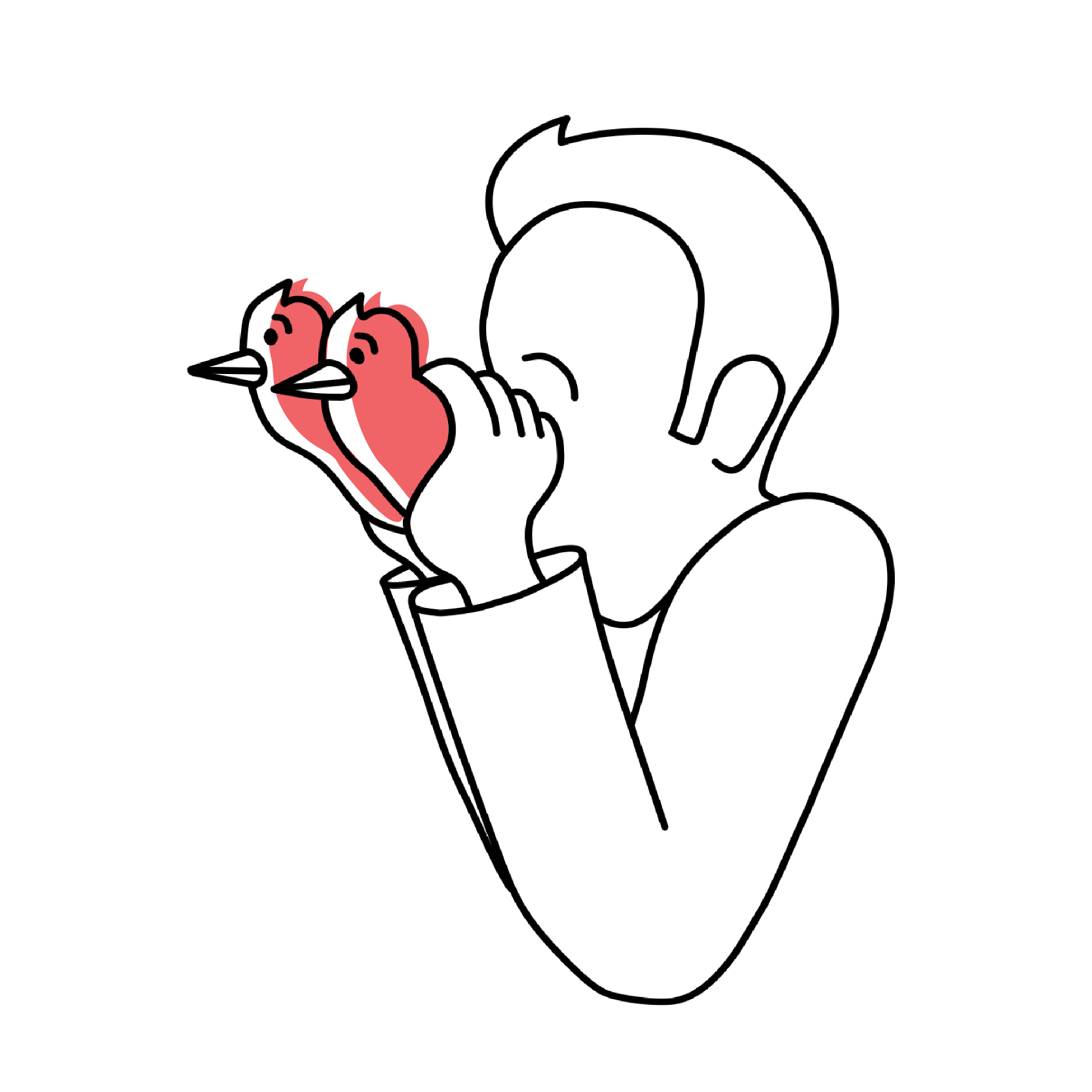
Pixar's Braintrust is a standing group of directors who review rough cuts of films in progress. The decisive design choice is easy to miss and entirely the point: the Braintrust has no authority. Directors are under no obligation to act on the feedback they receive. And it is precisely that choice, removing power from the feedback process, that makes honesty safe. When feedback carries no command, the person receiving it has nothing to defend against, and the person giving it has nothing to fear. Candour becomes possible because the structure took the threat out of it.
The honesty that culture cannot order
The conventional response to a lack of innovation is to import it. Hire innovation consultants. Schedule brainstorming sessions. Put a suggestion box in the hall. The assumption is that creativity is a resource you can summon with the right activity, and that more sessions will produce more ideas.
But the deeper problem is that the culture itself often punishes creative risk. People do not share half-formed ideas, challenge the prevailing view or admit a film is not working, because doing so feels unsafe. The status quo is defended, the senior person's opinion goes unchallenged, and the honest observation that could save a project stays unspoken. No brainstorming session overcomes this, because the session does not change what happens to the person who speaks up. The fear is structural, and you cannot brainstorm your way out of a structural fear.
Pixar's answer was not a training on openness, but a structure that made openness safe. By stripping the Braintrust of authority, Pixar removed the thing that makes honest creative feedback dangerous: the risk that the feedback is really a command, that disagreeing with it has consequences, that the powerful person in the room must be appeased. With the power removed, the feedback becomes what it should be, one set of expert eyes helping another, with no hierarchy riding on the exchange. The honesty is not exhorted. It is engineered into the rules of the room.
Why this is design, not courage
You could read the Braintrust as a story about Pixar's special culture, a place where talented people happen to trust each other. But that framing misses the mechanism, and the mechanism is the part you can take with you.
The Braintrust does not motivate people to be honest by encouraging candour. There is no speech about the importance of speaking up, no value statement urging boldness. The honesty comes from the structure removing the risk. People are candid not because they have been inspired to be brave, but because the rules of the room have made candour safe. The bravery is not required, because the threat has been designed out.
That is the difference between design and motivation, and in creative organisations it matters enormously. Motivation would try to encourage people to be braver, to speak up despite the risk, which asks individuals to absorb a danger the structure created. Design removes the danger so no bravery is needed. You cannot reliably inspire honest dissent in a structure that punishes it; the inspiration evaporates the moment the stakes are real. You can build a structure where dissent carries no penalty, and let the honesty flow freely.
The candour was never really about how brave Pixar's people happened to be. It was about a structure that made candour safe to offer. At SUE, the Influence Framework and SWAC are the methods we teach in the Behavioural Design Fundamentals Course to systematically analyse which structural conditions make the desired behaviour easier than the alternative.
The principle: psychological safety
The idea underneath this has a name and a serious research base, and naming it lifts the Braintrust from a Pixar quirk to a general principle.[1]
Psychological safety, a concept developed and studied by the Harvard researcher Amy Edmondson, is the shared belief that a team is safe for interpersonal risk-taking, that you can speak up, admit a mistake, ask a question or challenge an idea without fear of humiliation or punishment. Edmondson's research has repeatedly found that teams with high psychological safety perform better, learn faster and innovate more. Crucially, her work shows that psychological safety comes from the structure of how people interact, not from the personalities in the room. It is something you can design.
The Braintrust is psychological safety made structural. By removing authority from the feedback, Pixar guaranteed that interpersonal risk-taking, telling a director their film is not working, carried no punishment. The structure does what Edmondson's research identifies as the precondition for honest, high-performing teams: it makes speaking up safe. This is why Pixar's candour is not a fragile cultural accident but a reliable, repeatable outcome. The safety is built into the rules, and the honesty follows from the safety.
The innovation was never only about the talent in the room. It was about whether the structure made it safe for that talent to be honest.
There is a wider lesson worth drawing out, because the Braintrust is often misremembered as a Pixar personality trait rather than a design. The most common mistake organisations make when they try to copy it is to keep the candour and quietly keep the authority too, so that "honest feedback" still comes from someone who can affect your project, your standing or your next review. That single retained thread, power in the feedback, brings the fear straight back, and the candour evaporates no matter how often people are told to be open. Pixar's insight was that you cannot bolt safety onto a structure that still carries a threat. You have to remove the threat. The authority and the honesty cannot occupy the same channel, which is why the design move, not the cultural aspiration, is what makes the difference.
Learn to apply this yourself
What makes the Braintrust work is not a cultural norm but a structural rule: removing authority from the feedback loop so that honesty carries no cost. In the Behavioural Design Fundamentals Course, you learn to use the Influence Framework and SWAC to map the structural barriers that stop people from speaking up and redesign the conditions that make the right behaviour the path of least resistance.
View the online Fundamentals CourseWhat you can design this week
You do not need an animation studio to apply this. Psychological safety can be designed into how any team gives feedback and makes decisions.
Separate feedback from authority. The Braintrust's key move was making feedback advisory, not binding. Where honest input matters, ask whether the feedback carries an implicit command, and whether removing that command would make people more candid. Stripping power from feedback often unlocks it.
Make it safe to be wrong. People stay silent where being wrong is punished. The design question is what happens, structurally, to someone who admits a mistake or shares a flawed idea. If the answer is anything that feels like punishment, the silence is rational, and no encouragement will overcome it.
Design the rules of the room, not just the mood. Psychological safety comes from how interaction is structured, not from telling people to feel safe. Explicit ground rules about how feedback is given and received do more than any appeal to openness.
Stop asking for bravery the structure punishes. This is the deeper shift. When people will not speak up, the instinct is to urge them to be bolder. The more effective move is to remove the risk that makes silence sensible. Design the danger out, and the courage becomes unnecessary.
It is worth naming the most common failure here, because it is so tempting. Leaders who want candour will often declare an open-door policy, insist that all feedback is welcome, and genuinely mean it, while leaving entirely intact their power to act on what they hear. The employee, quite rationally, notices that the person inviting honesty is also the person who signs off their work, and stays cautious. The invitation does not change the structure; the power is still in the room. Pixar's lesson is that good intentions and warm invitations are not enough, and can even make things worse by implying that anyone who stays silent is simply not brave enough. The fix is structural and slightly counterintuitive: take the power out of the exchange, and the honesty arrives without anyone having to be told to be brave.
The thread is the one that runs through everything we do at SUE. You rarely get honesty by exhorting people to be brave. You get it by designing a structure where honesty is safe. Pixar did not train its people to speak up. It built a room where speaking up cost nothing, and let the candour follow.
If you want to learn how to design psychological safety into the way your teams work, rather than hoping for it, that is exactly what our Behavioural Design training is built around.
Frequently asked questions
Why does removing authority from feedback make people more honest?
When feedback is tied to authority, the person receiving it has something to defend and the person giving it has something to fear. The Braintrust breaks this by making its observations purely advisory: directors are under no obligation to act on what they hear. That single structural choice removes the threat that makes candour expensive. People are not more honest because they are braver; they are more honest because the rules of the room have made honesty cost nothing.
How do I apply the Braintrust principle without being a film studio?
The key move is separating feedback from authority in any review or decision process. Ask whether the person giving feedback can also affect the recipient's standing, project, or next performance review. If yes, the power is still in the room and candour will be rationed accordingly. Making feedback explicitly advisory, even temporarily, and choosing reviewers who have no direct authority over the work tends to unlock observations that would otherwise stay unspoken.
What did Amy Edmondson find about psychological safety?
Edmondson's research found that psychological safety, the shared belief that a team is safe for interpersonal risk-taking, is not a personality trait of the individuals involved but a property of how interaction is structured. Teams with high psychological safety perform better, learn faster and innovate more. Critically, her work shows that this safety can be designed. The Braintrust is essentially a structural implementation of what Edmondson identified as the precondition for honest, high-performing teams: making it safe to speak up.
Why doesn't an open-door policy achieve the same thing?
Because the invitation does not change the structure. A leader can genuinely mean it when they say all feedback is welcome, while still being the person who signs off the work, influences the next review, or decides what gets resourced. The employee notices this, quite rationally, and stays cautious. The Braintrust's insight is that good intentions and warm invitations can even make things worse, by implying that anyone who stays silent simply lacks courage. The fix requires removing the power from the exchange, not adding encouragement on top of it.
If you want to learn how to design for behaviour rather than trying to motivate it, that's exactly what the Behavioural Design Fundamentals Course covers. View upcoming dates →