How do you design a context where people are healthier without using willpower?
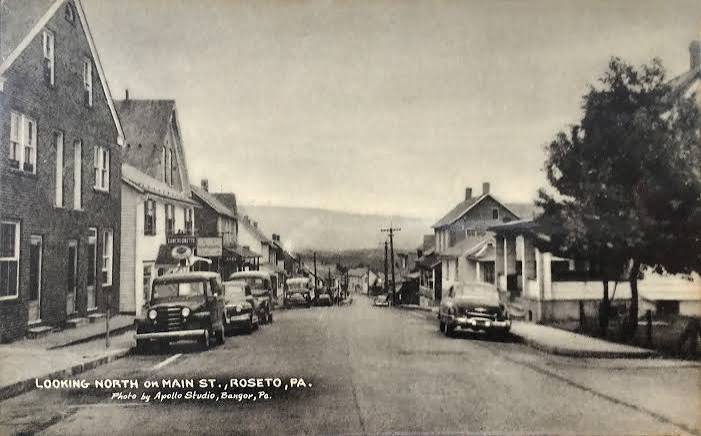
For a few decades in the middle of the last century, a small town in Pennsylvania did something that should have been impossible. Its people ate richly, smoked, worked hard physical jobs, and carried the same risk factors as everyone around them, and yet they died of heart attacks at a strikingly lower rate than their neighbours. No diet explained it. No miracle of willpower. The protection, when researchers finally found it, was not inside the people at all. It was between them, in the way the town was arranged.
The image is a street of close-packed houses, three generations under one roof, shared meals, neighbours who knew each other, clubs and churches where everyone turned up. Nothing a doctor would prescribe. And yet it was keeping people alive, which tells you something uncomfortable and freeing about how much of our health is a matter of personal discipline at all.
What actually happened in Roseto
In the early 1960s a physician named Stewart Wolf was told about an oddity: the people of Roseto, a town of Italian immigrants, seemed almost immune to the heart disease that was killing men across the rest of America. He and his colleagues set out to find why. They examined the water, the air, the genetics, the diet. By the usual explanations, Roseto should not have been healthier; if anything its habits were worse. The explanations did not account for it.
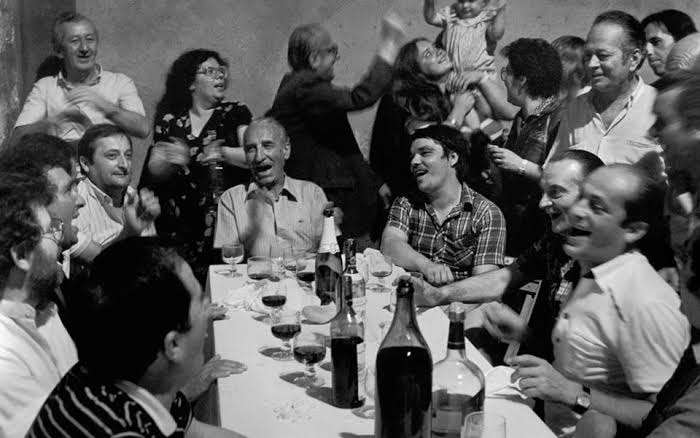
What set Roseto apart was its social structure, the dense, constant connection of the place: extended families living together, shared meals, streets and clubs and churches that kept people in each other's company, neighbours who watched out for one another. Then came the proof, in the form of a natural experiment no one designed. As Roseto modernised through the following decades, with bigger, more private houses and looser ties, the protective effect faded, and the heart attack rate climbed to meet the national average.[1] The thing keeping people well had never lived inside them. It lived between them, and when the town stopped producing it, the protection went with it.
The health lived between people, not inside them
The people of Roseto did not earn their health through discipline. By the standards of any health campaign they were doing it wrong, and they were protected anyway. That is what makes the case so revealing. The protection came not from what individuals chose but from the structure they lived inside, a structure that kept them connected without anyone deciding to be.
This is the gap between motivation and design at its starkest. A health drive works on the individual, asking them to want it more and try harder. Roseto worked on none of its residents directly. It surrounded them with connection, and connection is itself protective, regardless of willpower. When the structure was intact, people were protected despite their habits. When the structure dissolved, no amount of individual intention held the protection in place, because the protection was never an individual matter to begin with.
The science: social cohesion
The principle underneath the Roseto effect is social cohesion, now a well-established determinant of health that sits, in its scale of effect, alongside recognised physical risk factors. The density and quality of our social connection, the shared meals, the people who know us, the structures that keep us in each other's lives, exerts a measurable, protective effect on the body, partly by buffering stress, partly through the simple fact of being held by a community.
The crucial word is structure. Roseto's connection was not a matter of its residents being especially warm or willing; it was built into how the town was arranged. The houses, the shared spaces, the routines that threw people together produced the connection automatically, as a by-product of daily life. That is why it faded when the arrangement changed: the willingness to be neighbourly did not vanish, the structure that made it effortless did. Health, to a degree we find hard to accept, is not only a private project of good choices. A great deal of it is produced by how connected our surroundings keep us, and connection is something a place either builds in or designs out.
Through a Behavioural Design lens
It is worth slowing down on Roseto, because it is a clean example of a force we systematically misread.
Start with the person. What is anyone in Roseto trying to do? Live a decent life, belong, be looked after, not face things alone. Notice that staying connected is not really a goal people pursue; it is something that either happens to them or does not, depending on their surroundings. The forces here are not about willingness. What protected people was the constant, low-effort connection the town produced; what eroded that protection, later, was bigger houses and more privacy, the comforts of modern life quietly pulling people apart. No one chose to be less connected; the structure simply stopped delivering it. Reading the situation this way, by what the environment produces rather than what people decide, is what we call the Influence Framework at SUE, and in Roseto it points entirely away from individual choice and towards the arrangement of the place.
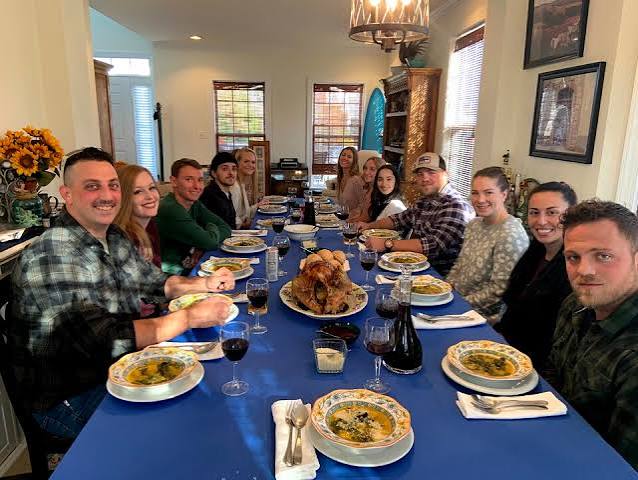
Now the fix, and Roseto teaches it in reverse, by showing what happens when you lose it. Of the levers that shape behaviour, the most durable is the one that makes a behaviour automatic, repeated so reliably that it stops being a decision at all. Roseto's connection was exactly that: not something people summoned each day but something the town's structure delivered without anyone thinking about it, the shared meal that always happened, the street you could not cross without meeting someone, the club everyone belonged to. That is the opposite of a health campaign, which asks for a fresh act of willpower every single day and exhausts people in the process. Building connection into the structure of a place, so it recurs on its own, is what we call designing for repetition, the again in the SWAC Tool, the lever that turns a one-off effort into a standing feature of life.
This is the lesson that travels. Whenever you want something to last, a habit, a team ritual, a culture, the question is not how do I get people to keep choosing it, but how do I build it into the structure so they do not have to choose it at all. That is the whole of Behavioural Design here: the health was never a property of the people, it was a property of the place, and a place is something you can design. At SUE, the Influence Framework and SWAC are the methods we teach in The Art of Influence© to systematically analyse how design triggers connection rather than leaving it to chance.
What this means in practice
Roseto is quietly liberating, and it starts with how you think about your own wellbeing. We treat health and happiness as private projects of discipline, and then feel guilty when the discipline runs out. Roseto suggests a kinder and more effective move: build the good thing into your structure so it does not depend on willpower. Protect the standing dinner, the regular walk with a friend, the weekly call that just happens. Connection that is scheduled into the shape of your week survives the days when you have no energy to seek it out, which are exactly the days you need it most.
For anyone leading people, this reframes how culture and wellbeing actually work. You will not produce a connected team by telling people to bond, any more than Roseto produced its health by telling people to be neighbourly. You produce it by engineering the structure: the shared lunch that is defended as infrastructure rather than treated as optional, the coffee machine placed where paths cross, the one route everyone uses, the unplanned encounter designed back into a workflow that efficiency had stripped of it. And you watch for the modern equivalent of bigger houses, the remote default, the closed door, the calendar so packed no one ever simply meets, and you reverse one of them.
And for the organisation, this is the difference between a wellbeing programme that asks individuals to be more resilient and a workplace that is structurally less isolating. The first leans on willpower and fades; the second changes the conditions and lasts. The question is not how do we motivate people to connect, but what about the way we have arranged things is quietly pulling them apart, and what would build connection back in as a by-product of the work itself.
Learn to apply this yourself
What made Roseto work was not a programme or a campaign but a structure that produced connection automatically, as a by-product of daily life. In The Art of Influence© you learn to use the Influence Framework and SWAC to map exactly which structural conditions generate the behaviour you want and where the current design is quietly working against it.
View The Art of Influence© onlineWhat you can design this week
The move works on your own life, a team you lead, or a space you shape. Three ways to start:
Protect one shared moment. Roseto ran on the meal everyone turned up to. Find the equivalent in your world, the team lunch, the Friday coffee, the family dinner, and defend it as infrastructure, not a nice-to-have.
Engineer the unplanned encounter. Connection grows from bumping into people, not scheduling them. Put the coffee machine where paths cross, keep one route everyone uses, design in the small collisions that modern, efficient spaces tend to remove.
Notice what is quietly pulling people apart. Bigger houses ended Roseto's advantage. Look for the modern equivalent in your setting, the remote default, the closed door, the layout no one meets in, and reverse one of them.
Roseto's people were not healthier because they tried harder. They were healthier because the town kept them connected without anyone having to decide to be. When the structure went, so did the protection. Build connection into the shape of a place, and it protects people on the days they could never summon it themselves.
If you want to learn how to design connection into the structure of a place rather than leaving it to willpower, that is exactly the kind of work our Behavioural Design training is built around.
If you want to learn how to design for behaviour rather than trying to motivate it, that's exactly what The Art of Influence© covers. View upcoming dates →
Frequently asked questions
What is the Roseto effect?
The Roseto effect refers to the finding that the residents of Roseto, Pennsylvania had strikingly low rates of heart disease compared to their neighbours, despite unhealthy diets and hard physical work. Researchers Stewart Wolf and John Bruhn found the town's dense social structure - shared meals, multi-generational households, community clubs - to be the protective factor. When the community modernised and ties loosened, the heart attack rate rose to the national average.
What is social cohesion and why does it affect health?
Social cohesion refers to the density and quality of connection within a community. It is now a well-established determinant of health, partly by buffering stress and partly through the protective effect of belonging. Crucially, it is not a matter of willingness; it is produced by the structure of the environment - the arrangements that keep people in each other's lives automatically.
How do you design connection into a workplace or community?
The key insight from Roseto is that connection was a by-product of structure, not willpower. To build it in: protect shared moments as infrastructure, engineer unplanned encounters through layout and shared routes, and watch for what is quietly pulling people apart - the remote default, the closed door, the packed calendar that leaves no slack for simply meeting.