Whether you influence customers, employees, citizens, fans, voters, professionals or other stakeholders, you are in the business of behavioural change.
Most influence strategies target the wrong thing: the rational mind. The Behavioural Design Method gives you seven superpowers to reach the part of the brain that actually decides, and actually acts.
Every meeting, every campaign, every policy, every product is an attempt to change behaviour. The question is whether you do it by guesswork - or by method.
Behavioural Design is that method. Seven superpowers that give any professional a systematic way to understand, predict and influence behaviour.
Others fight for attention with facts and rational arguments. You know what they don't: people don't decide with their rational brain - they rationalise afterwards what their automatic brain had already determined. You learn to communicate with that automatic brain. Not with better arguments, but with the right trigger at the right moment.
"Humans are to thinking what cats are to swimming. We can do it if we have to, but we much prefer not to." - Daniel Kahneman, Nobel Prize in Economics
While others try to make their product more attractive, you ask a different question: what deeper self-interest is this person actually trying to fulfil? You learn to think outside-in. Not "how do I convince someone of my offer?" but "how do I position my offer as the best path to what this person truly wants?"
"A job-to-be-done is the progress that someone is trying to make in a given circumstance, or what someone hopes to accomplish." - Clayton Christensen, Harvard Business School
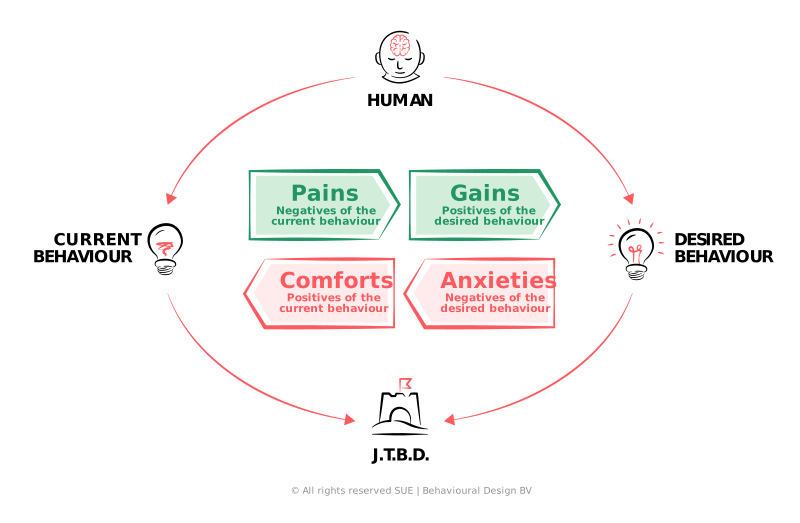
When people don't move, everyone else sees a motivation problem. You see a force field. The SUE | Influence Framework™ maps four invisible forces that shape every decision, and most professionals never even know they exist.
Most professionals work on motivation. Better rewards. Stronger campaigns. More awareness. But willpower is finite, unreliable, and disappears exactly when it matters most. You ask a different question: not "how do I motivate someone?" but "how do I make the desired behaviour so easy that motivation barely matters?"
Simplicity eats willpower for breakfast.
Every team, every expert has the same problem: they know too much. They've become so close to their own solution that they no longer really see the people they're building it for. You train a different muscle. You go back to the real human being - with real doubts, real habits, and a real reason not to move.
People always turn out to be different from what you assumed.
People don't change in one step. They have to notice you, consider you, choose you, love you, and stick with you. Each stage breaks down differently. Each stage needs different interventions.
Design to break the automatic and earn a moment of attention.
Design to remove friction and make the decision feel obvious and safe.
Design to reduce post-decision doubt and strengthen commitment.
Design context that makes the new behaviour the easy default.
When people don't do what they should, the default diagnosis is always the same: they don't want it enough, they're resistant by nature. But that diagnosis is almost never right. People change all the time - when the environment makes it easy enough.
Good people, bad circumstances. You solve the environmental problem that everyone else mistakes for a people problem.
"The problem is almost never the people. It's the context they're operating in. Change the context, and the behaviour changes itself." - Rory Sutherland, Vice Chairman Ogilvy & author of Alchemy
Join 10,000+ professionals who use Behavioural Design to understand, predict and change behaviour, for themselves or their entire team.
SUE has worked on hundreds of influence challenges across every sector. Click your audience and see what Behavioural Design can do.
A/B tests on button colours miss the point. Those who understand which psychological barrier blocks the purchase design customer journeys that actually convert.
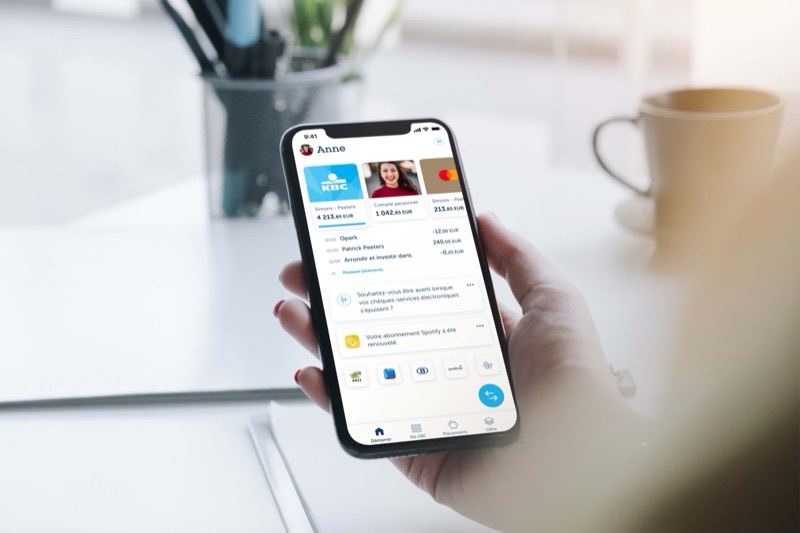
“How can we get our customers to think about their energy challenges and manage them through KBC?”

The problem is never motivation, it's the moment. Those who understand how voting behaviour actually works design campaigns that bring people to the polls.
“How can we ensure as many people as possible come to vote on European election day, regardless of political preference?”


More emotion doesn’t help. Those who understand which psychological barriers hold donors back design concepts that actually convert.
“How do we convince high-net-worth individuals to give structurally to a problem that seems unsolvable?”


Engagement surveys change nothing. Those who understand how habits and context drive behaviour design workplaces where people want to perform.
“How do we design a shared leadership culture in an organisation scaling rapidly across 4 continents?”


Doctors, advisors, specialists - they don’t decide at conferences or in meetings. They decide in the moment. Those who understand that moment win.
“How can we convince doctors, nurses and health insurers that our new subscription model is better for patients, practitioners and payers?”

The best people don’t choose the best deal. They choose the story they want to belong to. Those who understand this design recruitment that attracts the right people.
“How do we attract the smartest young engineers in Saudi Arabia to choose us over a trendy tech startup?”


Citizens, farmers, policymakers - they don’t resist change. They resist loss. Those who understand this can turn resistance into engagement.
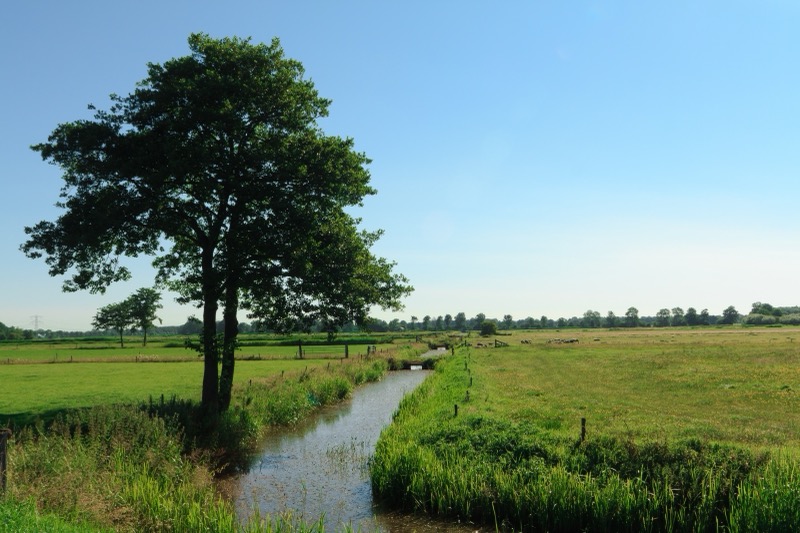
“How do we get farmers, citizens and policymakers aligned behind ambitious nature policy?”


Awareness campaigns don’t work. Fines work even less. Those who understand how context drives behaviour design policies that people actually follow.
“Why don’t people wash their hands at the office, even though they know they should and dispensers are everywhere?”

The same behavioural principles, applied to the challenges you face every day. Choose your field.
From digital adoption to culture change: every major challenge has a behavioural layer.
Join 10,000+ professionals who use Behavioural Design to understand, predict and change behaviour - for yourself or your entire team.