Alle 56 artikelen uit de Stubborn Optimist-reeks. Elk artikel stelt een vraag: waar heeft iemand dit probleem al opgelost? En wat vertelt de gedragswetenschap ons over waarom het werkte?

Elk artikel pakt een hardnekkig probleem op en gaat op zoek naar de plek in de wereld waar iemand het al heeft opgelost. En wat de gedragswetenschap ons vertelt over waarom het werkte.
Dit is de blogreeks die ik al jaren in mijn hoofd had: een echte zoektocht, geen inspiratiecontent. Elk artikel is een vraag: waar heeft iemand dit al opgelost? En wat zegt dat over hoe gedrag echt werkt, en hoe je het kunt ontwerpen?
Achter al die vragen zit dezelfde overtuiging: gedrag is een ontwerpkeuze. En iedereen die die overtuiging deelt, kan leren er iets mee te doen.
Leer het zelf toepassen →
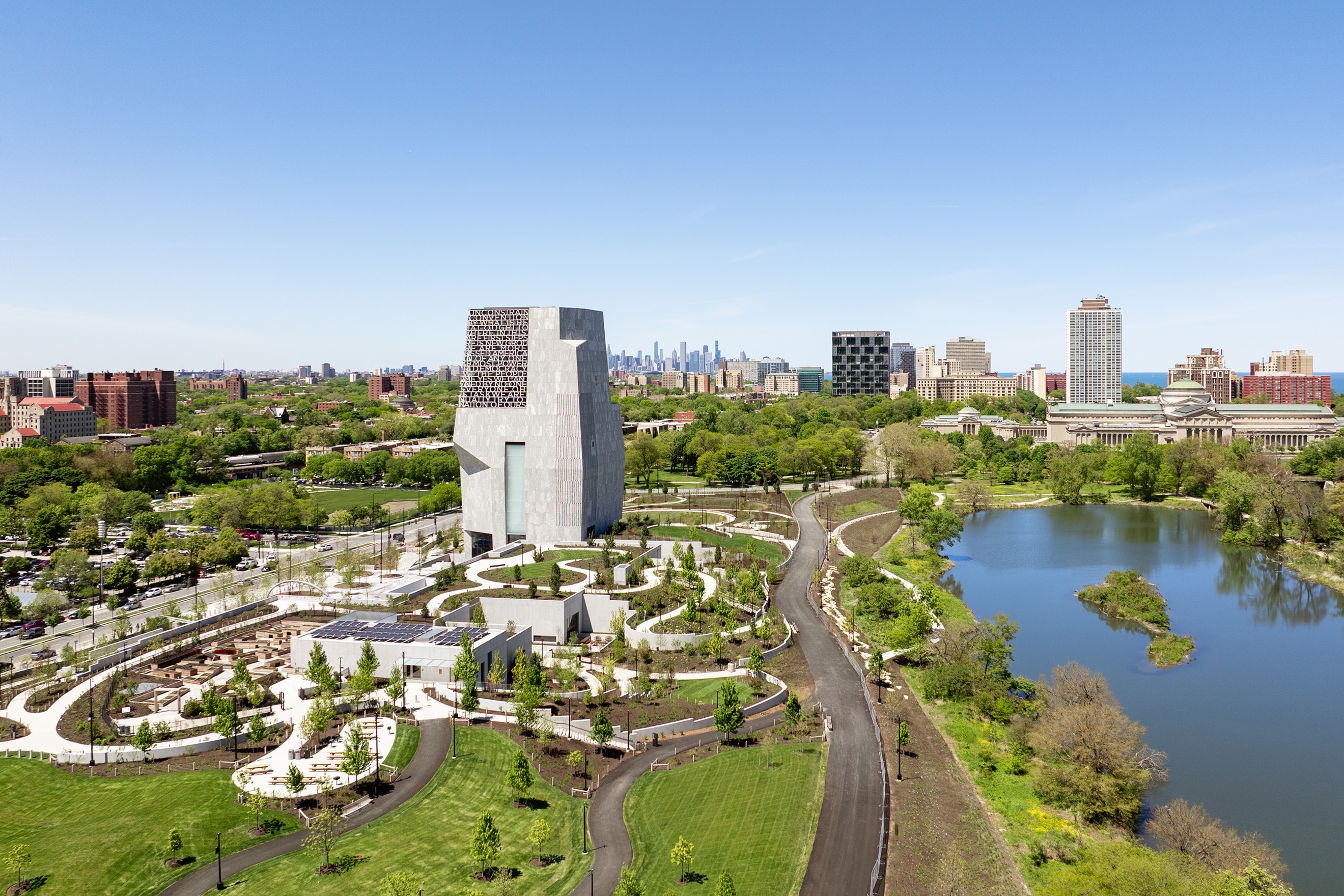
Behaviour is shaped by context, not willpower. And that means change is possible. The starting point for everything we do.
Read the article →
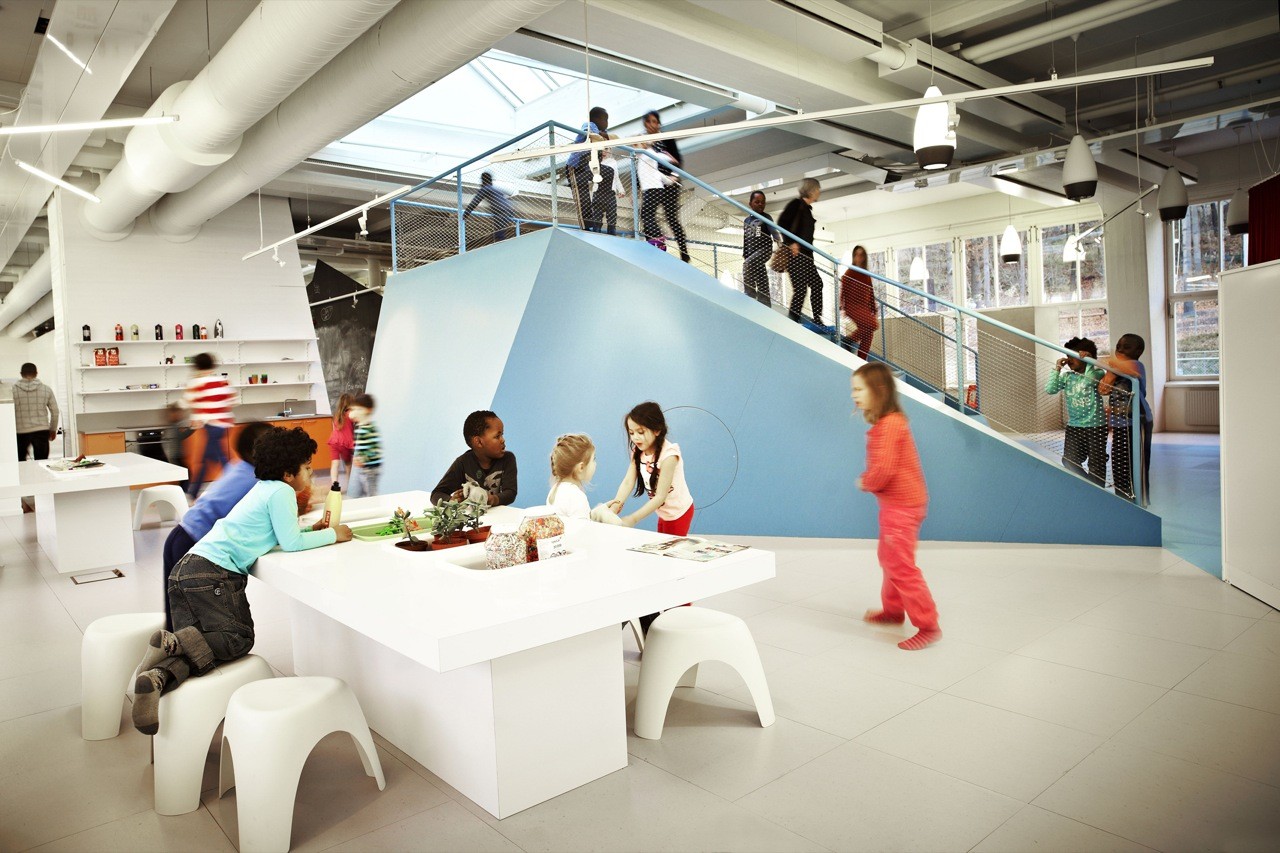
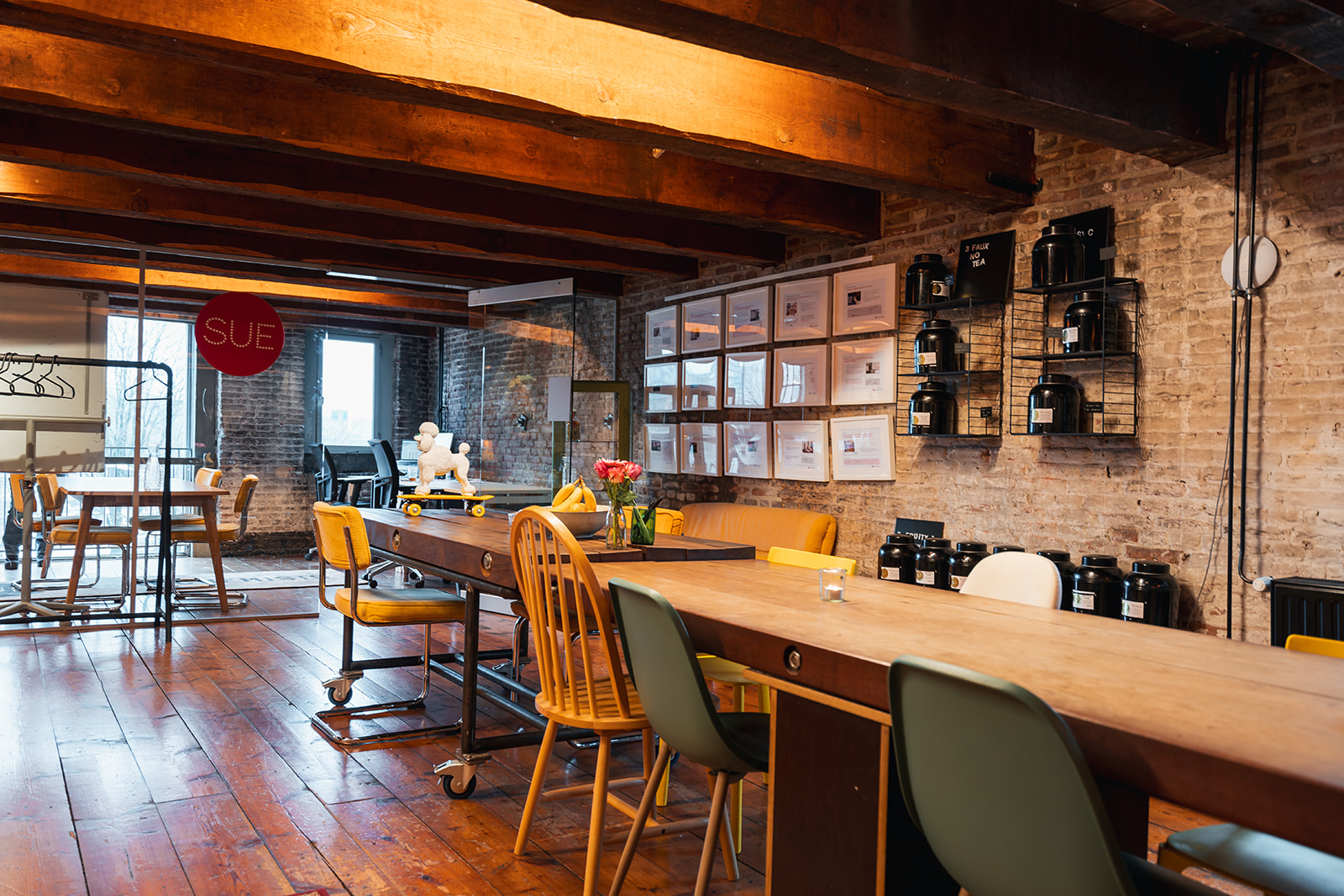
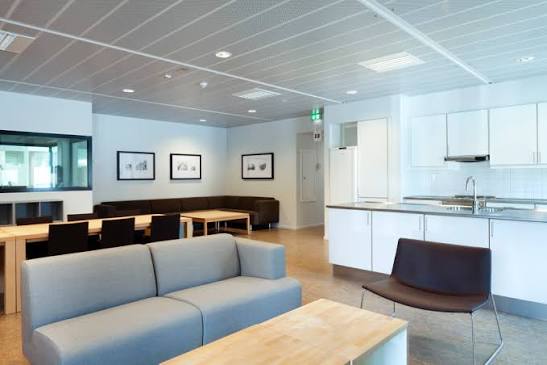
Vittra Telefonplan in Stockholm has no classrooms. Five types of space instead of one. The curiosity followed naturally.
Read the article →
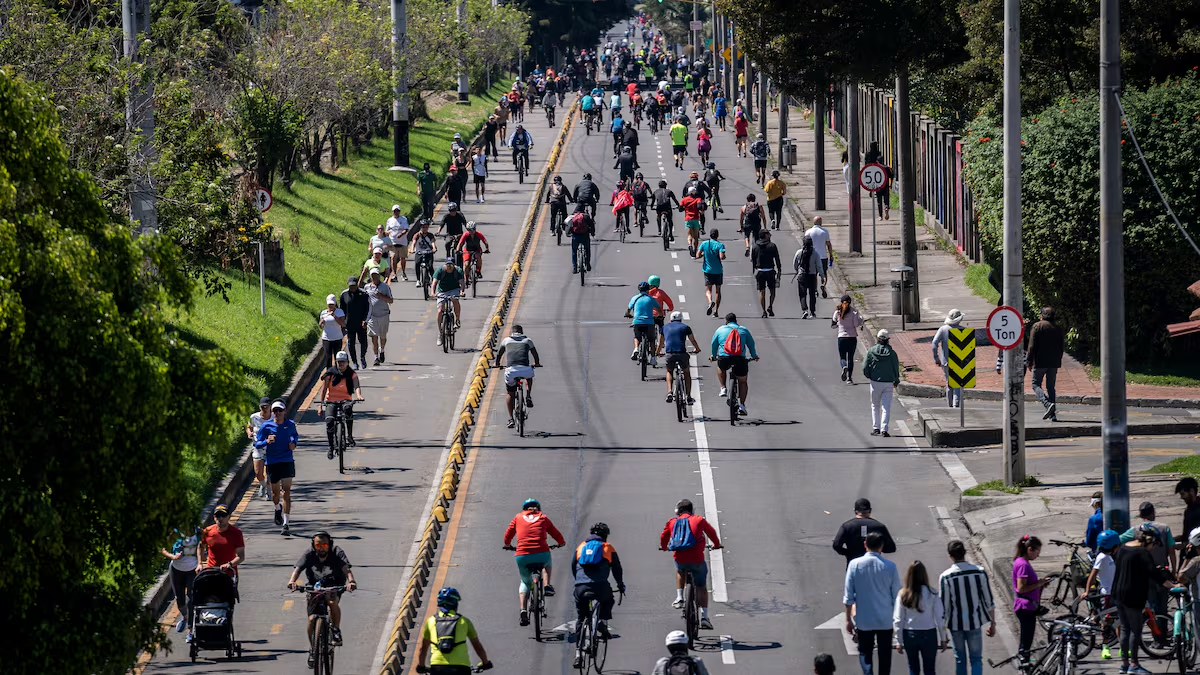
Bogotá closes 120 km of main roads to cars every Sunday. Two million people take to the streets, without a campaign, a fine or a reward.
Read the article →
Eataly built its reputation on the opposite of every retail instinct. Smaller baskets, slower shoppers, higher satisfaction.
Read the article →
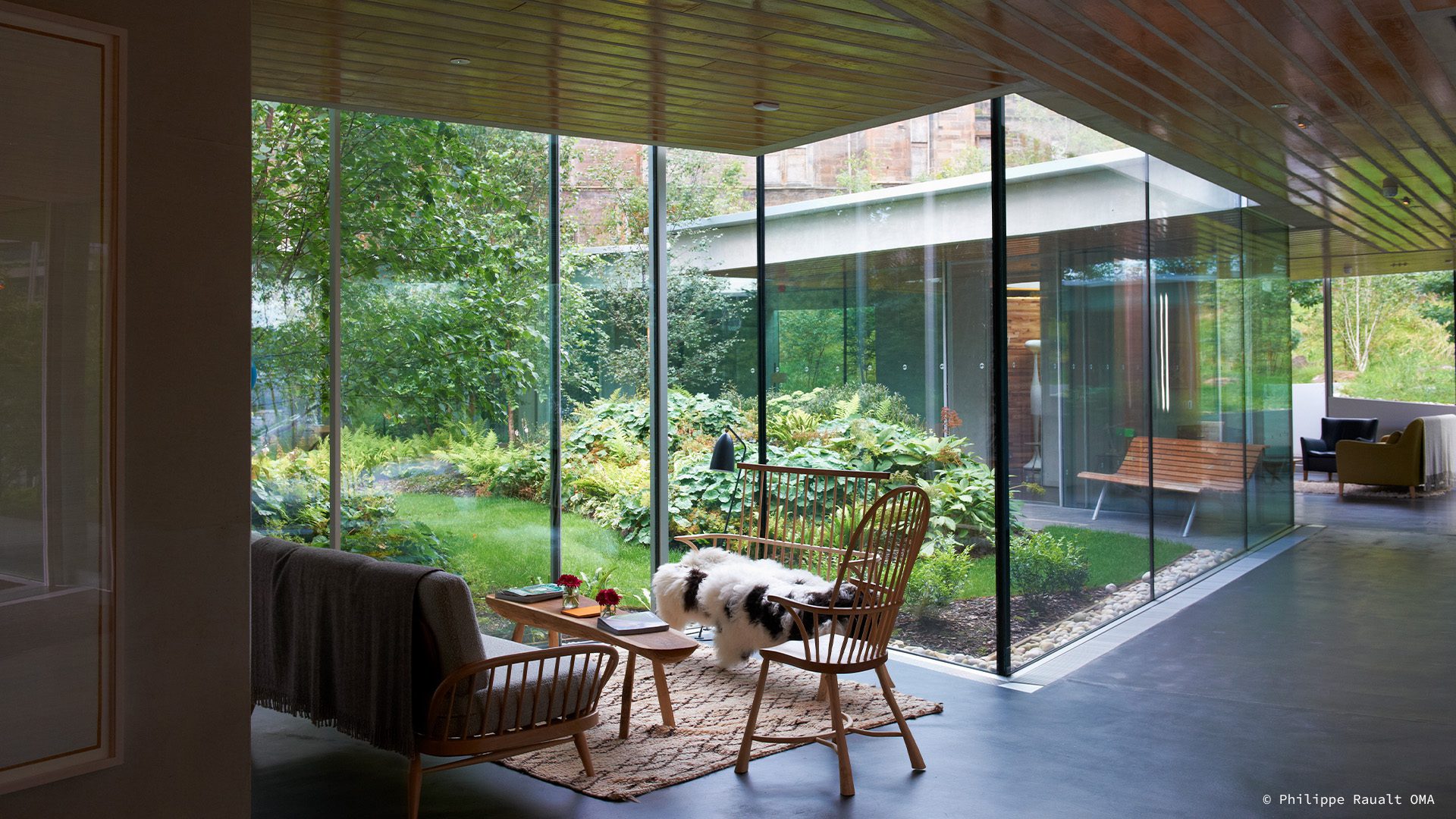
Maggie’s Centres gave the building a role in cancer care. Lower anxiety, greater sense of control. Not despite the architecture. Because of it.
Read the article →
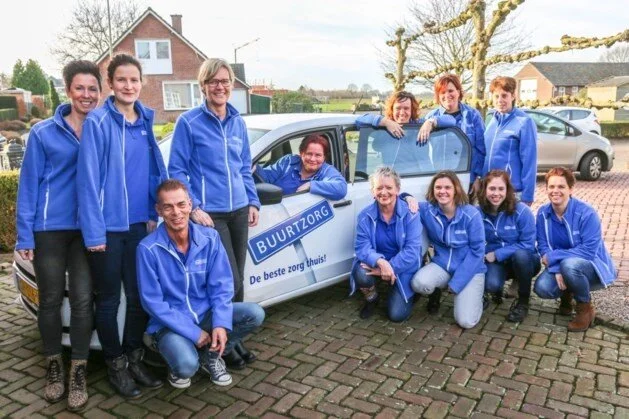
Buurtzorg runs 10,000+ nurses in self-managing teams with no managers. The engagement is not a culture story. It is a design story.
Read the article →
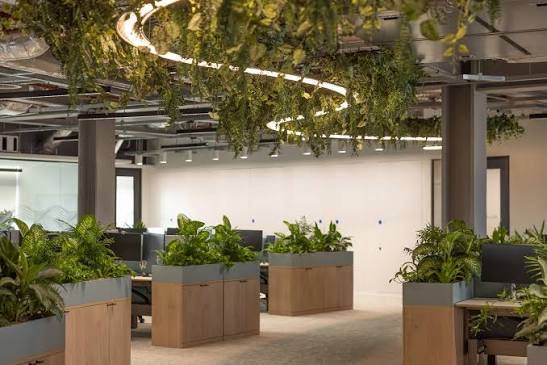
When two Fortune 500 companies removed their walls, face-to-face interaction fell seventy per cent. The fix is counterintuitive.
Read the article →
Roger Ulrich’s 1984 study found that patients with a window view of trees left hospital a day earlier. The environment was the treatment.
Read the article →
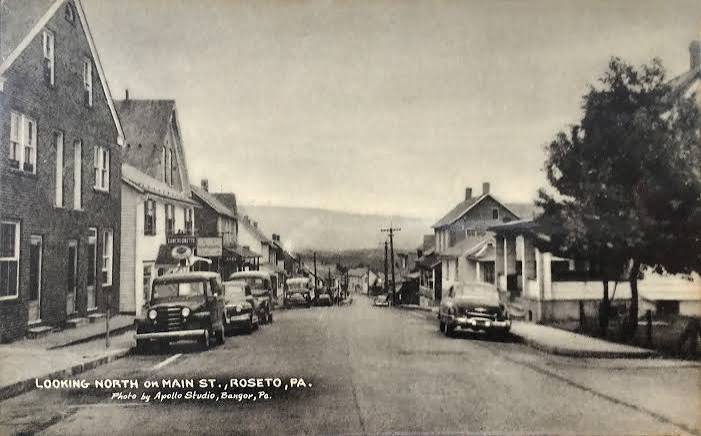
For decades, a Pennsylvania town had strikingly low rates of heart disease despite unhealthy habits. The protection lived between the people, not inside them.
Read the article →
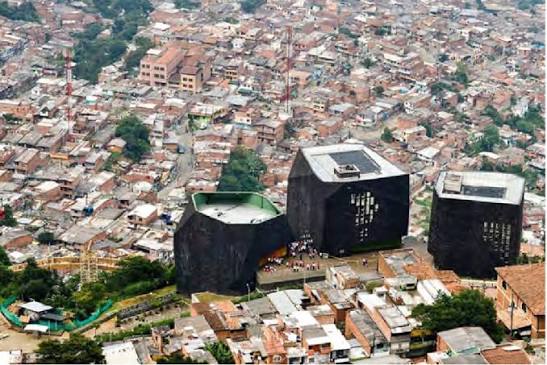
Medellín built a cable car into its most dangerous hillside settlements. Violence fell fastest where connection was rebuilt.
Read the article →
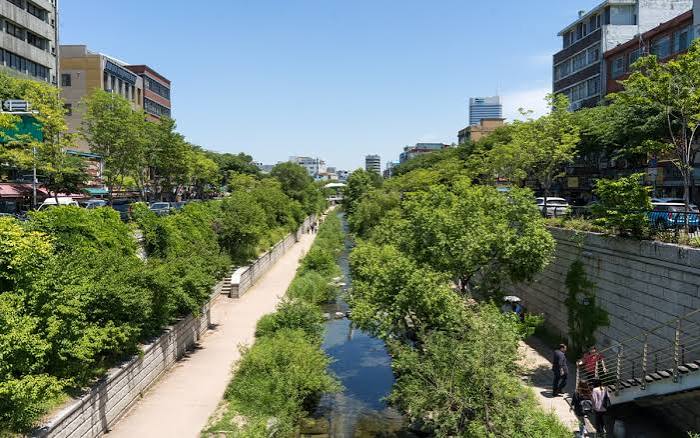
Seoul demolished a motorway and most of the traffic disappeared. The road had been generating the very demand that filled it.
Read the article →
Gary Klein’s premortem changes one thing — the tense of the question — and surfaces a third more risks. Honesty without asking anyone to be braver.
Read the article →
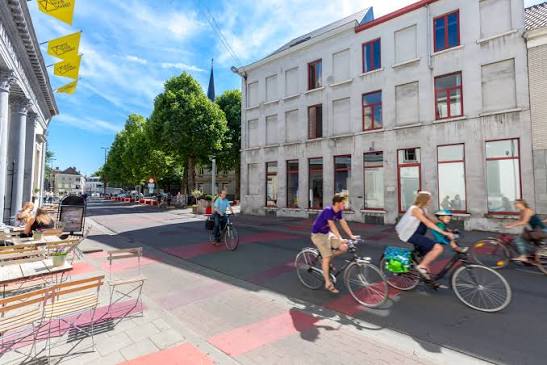
Ghent reorganised its streets so driving through the centre was no longer the shortest route. Car traffic fell 30%. Nobody was forbidden.
Read the article →
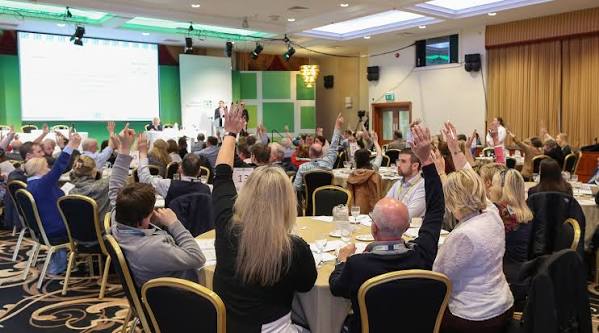
Ireland brought together 99 citizens — randomly selected, deeply divided — and gave them a process instead of a debate.
Read the article →
Halden is a maximum-security prison in Norway where windows have no bars and guards eat with inmates. Norway’s reconviction rate fell to 18 per cent.
Read the article →
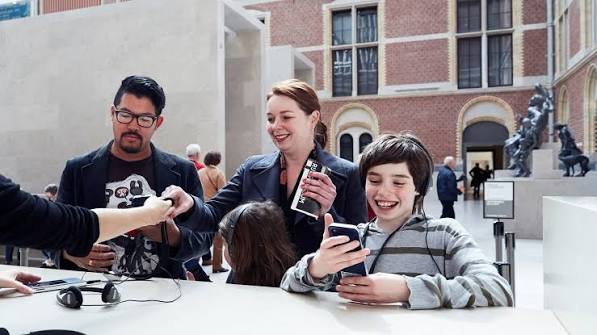
The Rijksmuseum gave children a riddle to solve, and the same galleries became a treasure hunt. Curiosity, it turns out, is a design choice.
Read the article →
Most AI adoption stalls not from lack of skill but from pluralistic ignorance: everyone privately uncertain, everyone assuming the others have it handled.
Read the article →
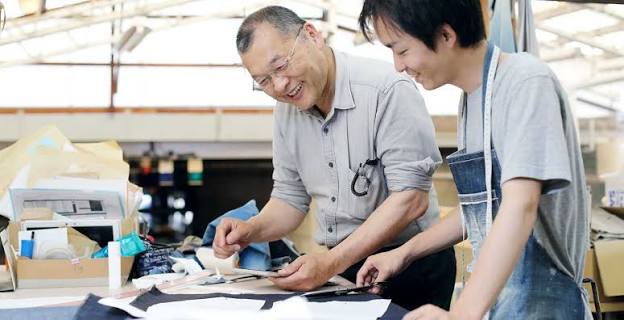
Japan’s Silver Human Resource Centres match retired people to real local work. The wellbeing followed not from recreation but from being genuinely needed.
Read the article →
Microsoft Japan closed every Friday for a month. Sales per employee rose 40 per cent. The shorter week revealed how much time is spent performing work rather than doing it.
Read the article →
Microsoft found that a single manager one-to-one in the first week outperformed any amount of formal induction. Belonging is designed, not assumed.
Read the article →
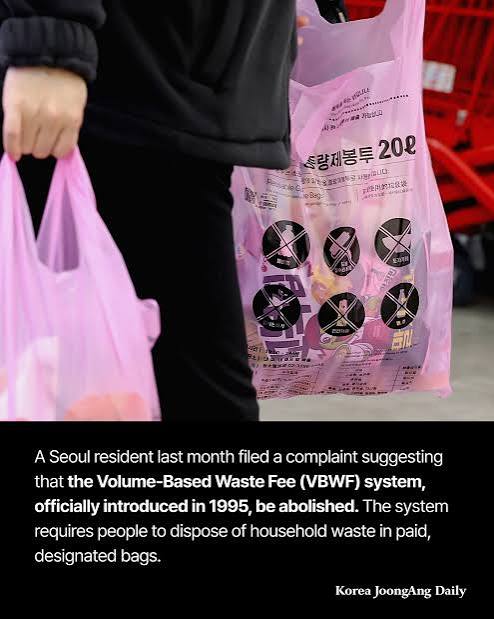
South Korea charges households by the kilo for food waste, at the moment of throwing away. Food waste recycling climbed from a few per cent to 95 per cent.
Read the article →
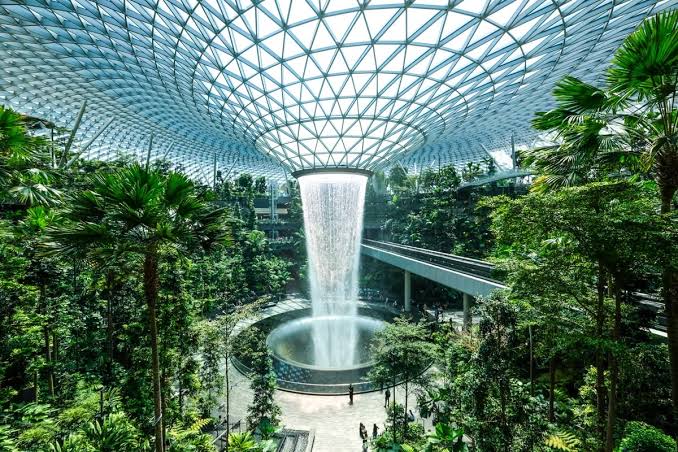
Changi Airport’s Terminal 2 redesign built calm into the architecture: a 14-metre digital waterfall, 20,000 plants, and a layout that hands control back to the traveller.
Read the article →
Paley Park in Manhattan is a pocket park the size of a large room. A waterfall wall blocks noise, moveable chairs invite strangers to sit close, and honey locust trees filter light.
Read the article →
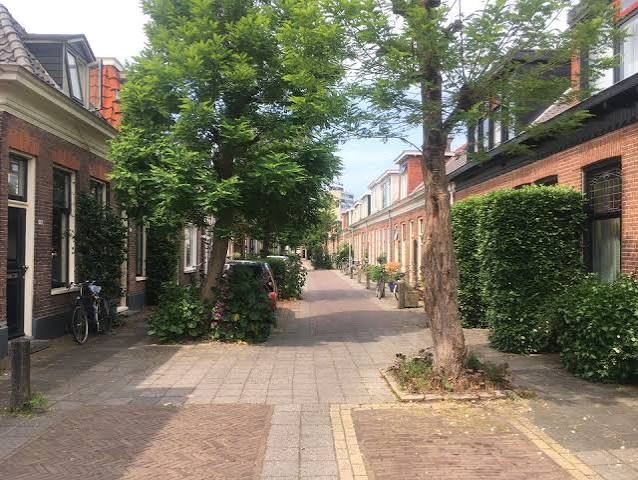
In the 1970s, Dutch cities gave streets back to children by redesigning the street itself. The woonerf removed the kerb and changed who the space was for.
Read the article →
Danish cohousing routes residents past each other’s front doors by design. Neighbours were not recruited or encouraged into friendship. The layout made it likely.
Read the article →
Jane Jacobs showed that safe streets depend on active frontages and natural surveillance, not on lighting and locks alone. The safety was built into who was watching.
Read the article →
Bogoá, Singapore, and Zürich keep their streets clean through design rather than enforcement. The mechanism is the descriptive norm: people read the state of the space.
Read the article →
The cities where residents walk and cycle the most have not solved the motivation problem. They have solved the design problem. Infrastructure is the intervention.
Read the article →
A covered walkway routes every resident past every other front door on the way in and out. The social effect is not the result of programming. It is the result of the path.
Read the article →
Danish nursing homes built as living streets give residents front doors, destinations to walk to, and the daily texture of a life. Ellen Langer’s research explains why it matters.
Read the article →
A GP practice redesigned its waiting room to place health information at the moment when people are most receptive: the minutes before they see the doctor.
Read the article →
Scandinavian hospitals that redesigned staff spaces — break rooms visible from the ward, short-cuts that save steps — cut nursing turnover significantly.
Read the article →
Albert Lea, Minnesota enrolled in the Blue Zones Project and redesigned its sidewalks, school lunches, and walking clubs. Residents did not get more willpower. They got a different environment.
Read the article →
Mountain Equipment Coop built climbing walls and test paths into its stores so customers could try before buying. Returns dropped. Satisfaction rose.
Read the article →
Google moved the sweet dispenser two metres from the coffee station. New York employees consumed 3.1 million fewer calories in seven weeks. No campaign, no instruction.
Read the article →
Pixar’s Braintrust reviews rough cuts in a room designed to separate feedback from authority. The observations are not instructions. Honesty follows from the structure.
Read the article →
LEGO’s return-to-office redesign replaced assigned desks with spaces built for the kind of work that benefits from being together. Attendance followed without a mandate.
Read the article →
Leadership development programmes that return people to an unchanged environment see the change fade within weeks. The environment is the missing variable.
Read the article →
Blind recruitment removes names, photographs, and university names from applications before review. The diversity of shortlists reliably increases. No training, no workshops.
Read the article →
Merger integration that works does not ask the two companies to respect each other. It builds situations where people from both sides work on shared problems first.
Read the article →
Culture is what people do when no one is watching, not what is on the wall. The organisations that get it right build the values into the environment, not the slides.
Read the article →
The Apple Store was designed so customers handle products before a salesperson approaches. The sale follows from the experience of choosing, not from the salesperson.
Read the article →
SportCity Amsterdam rebuilt its entrance as a community space. Members began organising their own sessions. The gym became a place people belonged to, not just paid for.
Read the article →
The Edge in Amsterdam makes sustainability the default: smart lighting, bike storage at the entrance, plant-based meals prominent in the canteen. No campaign needed.
Read the article →
In Buiksloterham, Amsterdam, visible green façades became a social norm. As more houses greened, the descriptive norm shifted. The next neighbour did not need persuading.
Read the article →
Tel Aviv made plant-based food the easy, prominent, competitively priced default at markets and restaurants. People chose it without being asked to think about the climate.
Read the article →
Copenhagen added benches at the right height, removed kerbs, and installed handrails. Older residents moved more, were less lonely, and stayed healthier.
Read the article →
Grorudalen, Oslo, redesigned shared spaces across a multiethnic neighbourhood. Contact between people from different backgrounds rose — because the space made it easy.
Read the article →
Iceland organised all government services around life events rather than ministry departments. One login, one coherent journey, no wrong doors. Trust in institutions rose.
Read the article →
Finland teaches every student to recognise manipulation techniques before they encounter them in the wild. Prebunking, not debunking, is what actually works.
Read the article →
Brazil’s compulsory voting, combined with electronic machines that reach remote communities, shifted turnout from an elite practice to a near-universal one.
Read the article →
Zaatari refugee camp developed a market street, the Champs-Élysées of Zaatari, where residents opened shops, traded, and rebuilt the texture of a normal life.
Read the article →
Youth centres in Aarhus, Denmark, offer young people at risk of radicalisation a genuine alternative: mentoring, education, and a future. The mechanism is significance, not surveillance.
Read the article →
Copenhagen’s Torvehallerne puts farmers’ names on stalls and makes food provenance concrete. The connection between producer and consumer changes the behaviour downstream.
Read the article →
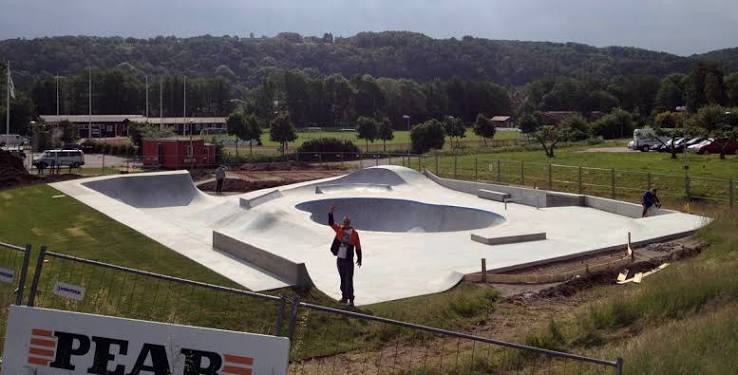
Swedish skateparks designed for progression draw young people outdoors and keep them there. The outdoors won not by banning screens but by being genuinely better at what screens offer.
Read the article →
Australian schools that removed smartphones from break times found that students who had nothing to stare at started talking to each other. Conversation requires an empty hand.
Read the article →Als je gelooft dat gedrag ontworpen kan worden, is de volgende stap leren hoe. Onze trainingen geven je de methodes en de oefening om die overtuiging om te zetten in echte verandering.