180+ articles on behavioural science, nudging, persuasion and human decision-making. Written by SUE consultants for people who want to understand why people do what they do.
Popular: nudging, influence framework, defaults
Proof that behavioural design works — collected from cities, schools, hospitals and markets around the world. Each post is a case study in what changes when someone designs the environment instead of lecturing the people in it.
Why we focus on what is being built, not what is breaking down.
Read more →
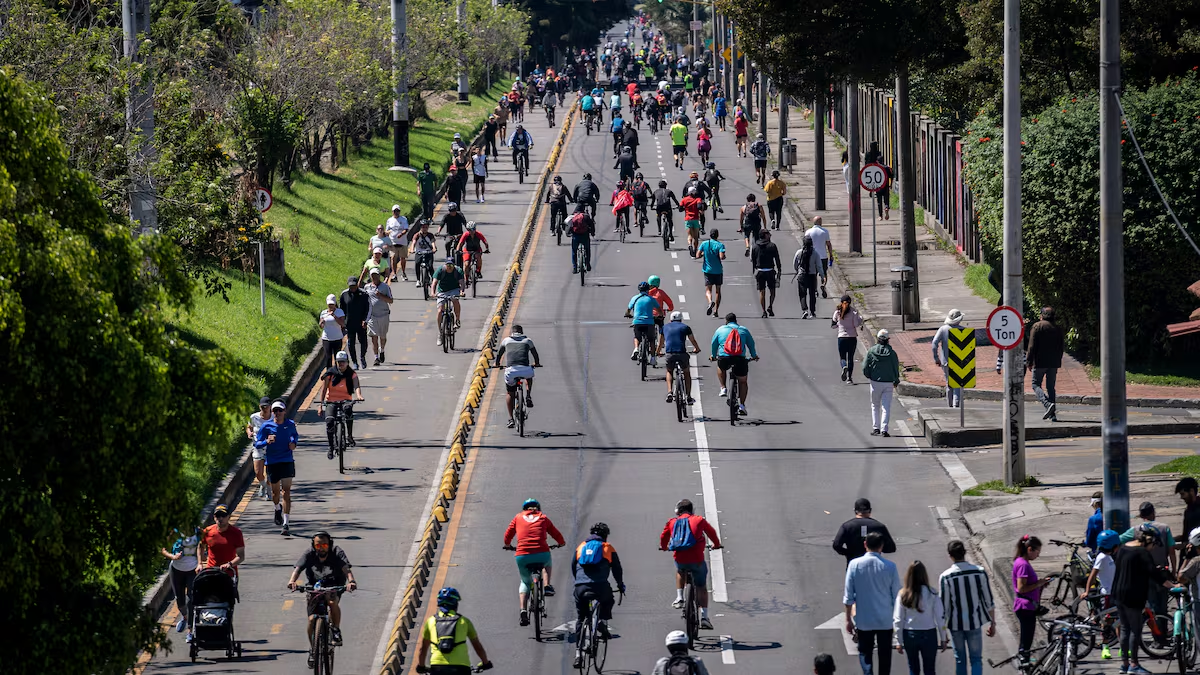
Bogotá closes 120 km of roads every Sunday. Two million people show up without a campaign, a fine or a reward.
Read more →
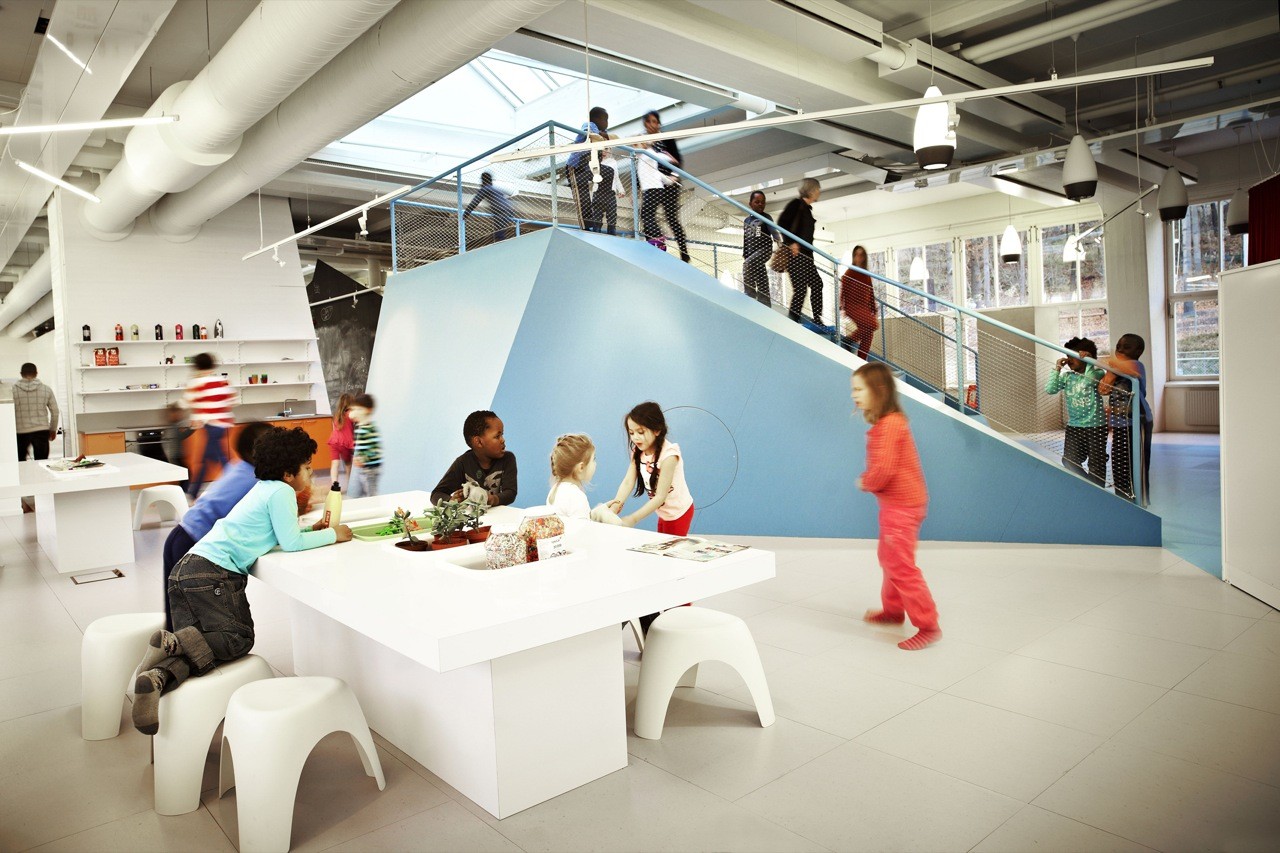
Vittra Telefonplan removed classrooms entirely. What happened to learning is worth paying attention to.
Read more →
Eataly built its reputation on the opposite of every retail instinct. The behavioural design behind it.
Read more →
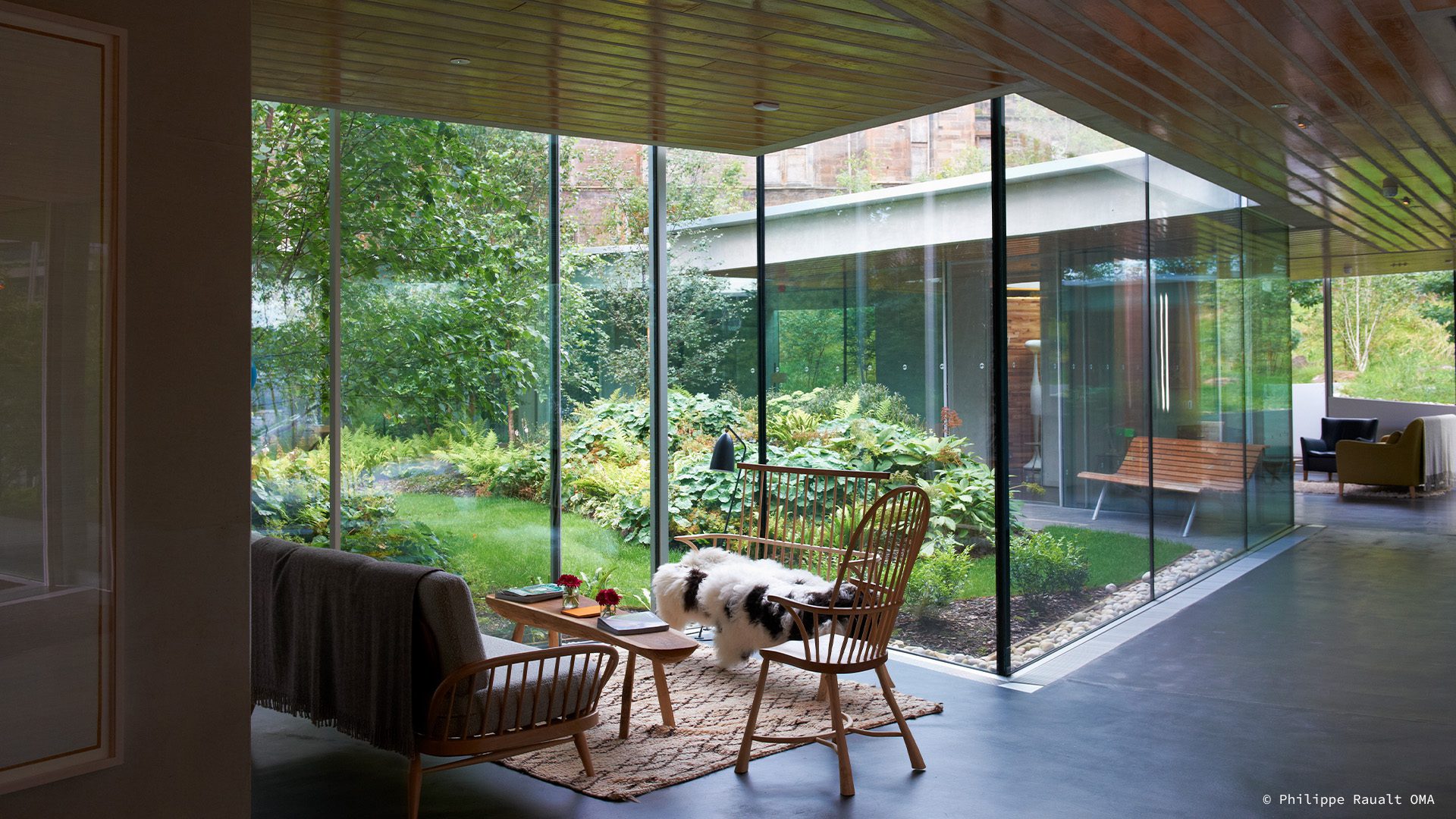
Maggie's Centres gave the building a role in cancer care. Lower anxiety, greater control. Not despite the architecture. Because of it.
Read more →
Buurtzorg runs 10,000+ nurses in self-managing teams with no managers. The engagement is not a culture story. It is a design story.
Read more →
When two Fortune 500 companies removed their walls, face-to-face interaction fell seventy per cent. The counterintuitive fix: add boundaries, not remove them.
Read more →
Roger Ulrich's 1984 study found that patients with a window view of trees left hospital a day earlier and needed fewer painkillers. The environment was the treatment.
Read more →
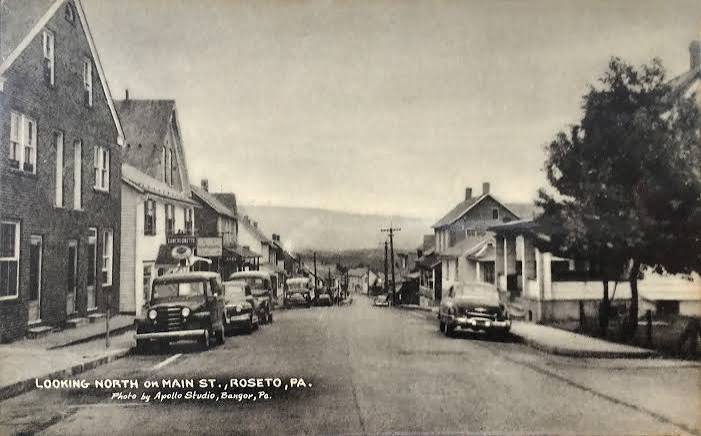
For decades, a Pennsylvania town had strikingly low rates of heart disease despite unhealthy habits. The protection was not inside the people. It lived between them.
Read more →
Medellín built a cable car into its most dangerous hillside settlements. Violence fell fastest where connection was rebuilt — and the mechanism was collective efficacy, not policing.
Read more →
Seoul demolished a motorway and most of the traffic disappeared rather than relocating. The road had been generating the very demand that filled it.
Read more →
Gary Klein's premortem changes one thing — the tense of the question — and surfaces a third more risks. Honesty without asking anyone to be braver.
Read more →
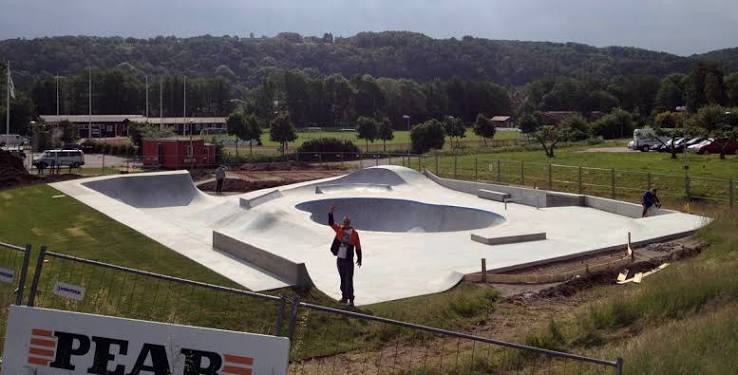
Ghent reorganised its streets so driving through the centre was no longer the shortest route. Car traffic fell 30%. Nobody was forbidden. The journey simply stopped making sense.
Read more →
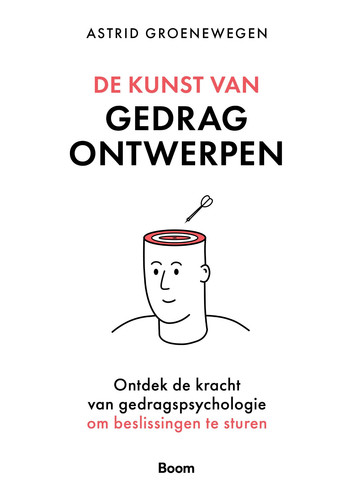
#1 Management Book
Bestseller
Every week one behavioural insight you can apply right away. No theory for theory's sake. More than 8,000 readers already joined.
Free. Every week. Unsubscribe anytime.